Originally published in 2006 in The Business Economist, volume 37, issue 1. The original publication day is unrecorded.
Amrita Narlikar, Oxford University Press, 2005, 155 pages, £6.99.
From The Business Economist, volume 37, issue 1 (2006).
This reviewer started her academic life studying politics and history, then moved on to economics as the shortcomings of those two disciplines in providing a full understanding of how the world works became increasingly apparent. Reading these two books together, both addressing the same issues and institutions from the widely-different perspectives of economics and political science shows me that I was right in my initial analysis of the partial nature of the understanding provided by political science, but also that I could have as easily made the opposite journey, as it’s quite clear that economics too fails to represent the world – or at the least the WTO – as it really is.
In the economists’ corner, Joseph Stiglitz and Andrew Charlton provide an excellent summary of the complexities of the economics of international trade. They show how, given market failures of all kinds, it is simplistic to assume that freer trade is always better trade from the perspective of poor countries and poor people. A dynamic approach to trade and growth requires an active state, managing trade policy in a way that ensures trade works for poor people specifically, and not just for the economy generally – often meaning just those few in it who have the means to exploit the opportunities it provides.
However, the book is less good on the realities of trade negotiations. It does expose the hypocrisy and double standards that lie at the heart of much of what is agreed at the WTO, but the solution they propose – a system of market opening based on GDP per capita, is one which is extremely unlikely to appeal to, or be workable within, the current line-up of developing and developed country coalitions in the WTO. An elegant economic solution to the problems poor countries face may well fail through inadequate understanding of the bare-knuckle nature of politics in the WTO.
Amrita Narlikar’s book has the opposite problem. While it is a good attempt to summarise the complex history of trade negotiations, the author clearly lacks an understanding of economics that lies at the heart of the negotiations, and this affects the extent to which she is able to explain the motivations that lie behind the different negotiating positions. Though she is clear on the importance of access to new markets for rich and poor countries alike, she is wholly uncritical of the doctrine that trade liberalisation must be good for everyone, and therefore cannot explain the more defensive negotiating positions taken by many developing countries who are trying to limit the amount of liberalisation commitments they have to make in the WTO. Without understanding arguments about infant industry protection, adjustment costs and the role of trade policy in national development strategies, this position cannot be rationalised.
These two books taken together provide an excellent introduction to the economics and politics of trade negotiations today. Anyone trying to decipher the reality behind the occasional reports in the press about doom and gloom in the WTO could do much worse than start here. But read both.
Claire Melamed Christian Aid
Archived source: 2006-07-03 website capture.
More Book Reviews
All Reviews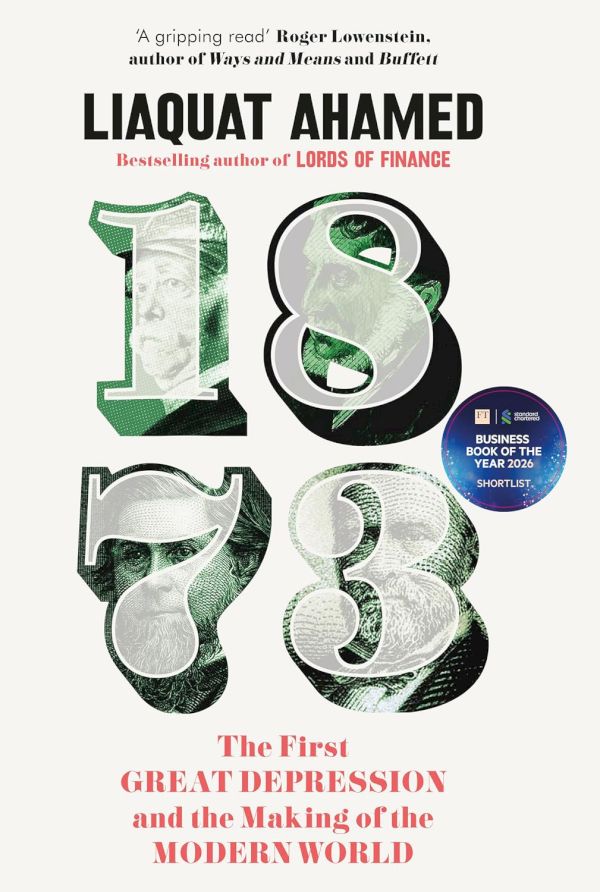
1873: The First Great Depression and the Making of the Modern World
This book is the second to be written by Liaquat Ahamed. He made his publishing debut back in 2009 with “Lords of Finance: The Bankers Who Broke the World”...

What Happened to Liberal Democracy? Remaking a Politics of Shared Prosperity
My mother didn’t go to university although she might well have done had not the Second World War intervened so that she joined the WAAF. She described her...

Broken China: How the Economic Miracle Shattered and What it Means for the World
China’s rise over the last several decades has been accompanied by an explosion in books seeking to explain its economy and way of doing business to...