Originally published in 2005 in The Business Economist, volume 36, issue 1. The original publication day is unrecorded.
Christopher Fildes, Nicholas Brealey Publishing, 2004, 176 pages, £12.99.
From The Business Economist, volume 36, issue 1 (2005).
A City Spectator is a hugely entertaining read from a man who has seen it all over the past 30-odd years that he has been writing his City and Suburban column for the Spectator magazine.
It is also highly informative as the collection of his finest articles contains much useful knowledge about the City, which Fildes both adores and criticises in almost equal measure. He gives us a real flavour of some of the greats, such as Siegmund Warburg, and the not so great, such as Robert Maxwell. He casts his eye over such lofty subjects as the euro, although with little affection, dismissing it as a “four-letter word” (perhaps explaining Mervyn King’s enthusiastic preface to the book), as well as more everyday concerns, such as the best place to eat a fine lunch, drink a fine champagne or sip a dry martini, which he does with great affection.
He writes about the state of the railways, introducing us to his transport writer, I K Gricer, and great City characters from the days of jobbers and the discount houses, such as “King Richard” and “J J”. He takes us through the changes of recent years such as Big Bang, the demise of many of the great merchant banks, the trials and tribulations of Lloyd’s of London, the Barings’ collapse. He opines on many of the 20th century’s chancellors and Bank of England governors, including the current incumbents.
There are many delightful phrases, that may become known as Filde-isms one day. “Hence my law of the financial cycle, which says that disasters happen when the last man who can remember what happened last time has retired. Hold tight and watch the wheel come round.” He advised his readers during the recent house price boom to book a room at the Ritz, which was cheaper than paying a mortgage on a house in Fulham, and immune to the slump in house prices he warns grimly of.
Looking at the current state of the City, he concludes that while “recovery and reinvention have done wonders for the City, its greatest mistake would be to take its own success for granted.” He also talks of the “Wimbledonisation” of the City: “On a fine day the City feels like Hong Kong West: a global financial centre offshore of the Thames where nationality no longer matters. On a bad day I mourn the old City, which has given up its pretensions of leadership and is content to provide the centre court, but not the champions.”
All in all Mr Fildes, now 70, provides us a fine collection of writings, jottings and observations about a subject and people dear to his heart. As Mervyn King says in his preface: “If a reader is tired of reading Fildes, then he is too tired to read at all.”
Ashley Seager The Guardian
Archived source: 2006-05-26 website capture.
More Book Reviews
All Reviews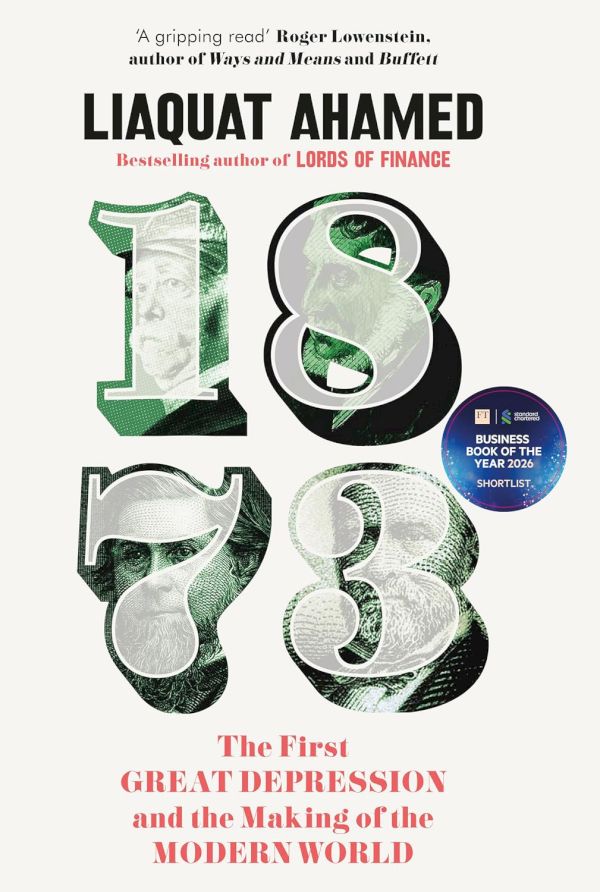
1873: The First Great Depression and the Making of the Modern World
This book is the second to be written by Liaquat Ahamed. He made his publishing debut back in 2009 with “Lords of Finance: The Bankers Who Broke the World”...
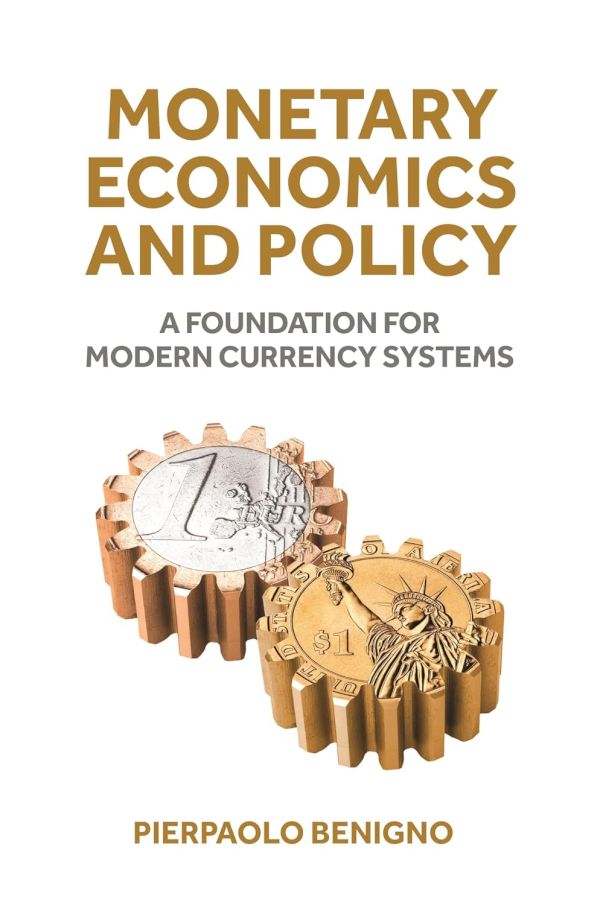
Monetary Economics and Policy: A Foundation for Modern Currency Systems
I enjoyed reading this book. It covers a wide surface area of monetary economics, and I think it will be useful for people studying the subject. It is...
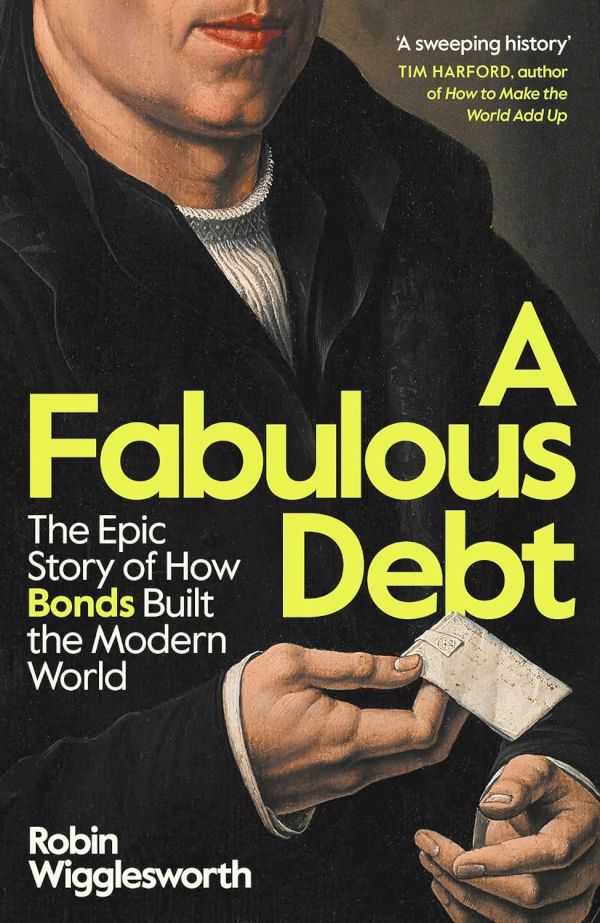
A Fabulous Debt: The Epic Story of How Bonds Built the Modern World
With global bond markets making headlines and bond yields at multi-decade highs, the new book by FT Alphaville editor Robin Wigglesworth, “A Fabulous...