Originally published in 2004 in The Business Economist, volume 35, issue 1. The original publication day is unrecorded.
Colin Robinson, ed, Edward Elgar, 2003, 246 pages, £59.95.
From The Business Economist, volume 35, issue 1 (2004).
The proceedings and papers presented as the eleventh annual series of Beesley Lectures on Regulation in 2001 have been edited by Colin Robinson in Competition and Regulation in Utility Markets, a review of competitive developments in utilities, primarily focused on the UK experience. With a few exceptions, such as John Vickers’s review of competition policy in general, most reviews are devoted to the review of a specific sector.
Inevitably, the length, breadth and depth of the analyses vary considerably between chapters. Stephen Glaister’s excellent and extensive account of the many announced but unimplemented transport policy initiatives seen in the UK since 1997 almost justifies a small book of its own. At the other extreme, Irwin Stelzer’s largely sociological discussion of the benefits of competition policy provides only a superficial treatment of the many issues raised by the topic, although usefully he finds time to caution competition authorities against over-reliance on market shares in the application of competition law. A charge which Derek Morris robustly, but implausibly refutes on behalf of the UK authorities.
The value of this book, however, lies in the ability it gives the reader to compare and contrast the competition issues raised by the different utilities and the treatment each receives from its regulator. Most striking is the recurrence of the theme of regulatory risk and the costs and benefits of absolute discretion on the part of regulators to move the goal posts, almost at will. This freedom is argued by Tom Winsor, the rail regulator, to be an essential and costless benefit of the current regulatory framework for rail, in contrast to the contracts-based approach taken to the London Underground. Dave Edmonds, the telecommunications regulator seems to regard the risks as symmetric as between the regulator and the regulated, with the regulator facing the off-setting risk of non-compliance by its subject incumbent. More plausibly, the incidence of the undoubted costs of this ‘uncontractability’ is argued by Len Waverman to fall on the regulated, so inevitably increasing the returns that are required from the sector if investment is to be attractive.
Ultimately, whilst airing many interesting issues and providing significant food for thought, none of the contributions to this book, nor the book in its totality, tackles head-on what seem to be the fundamental issues surrounding the introduction of competition in these industries. Specifically, one is left wondering to what extent it is legitimate to tie the hands of incumbents when faced with competition from unavoidably less efficient new entrants, so as actively to promote entry for its own sake, and to what extent one should simply be removing the historic impediments to entry that exist and living with the structural consequences that follow (including the on-going regulation of some aspects of incumbent activity if entry is not forthcoming). The overall impression is that the regulators continue to regard competition as synonymous with the existence of lots of competitors, and effective competition as synonymous with market share loss by incumbents.
Although those with a professional interest in a particular sector are unlikely to find a great deal new in their chapters, for the reader with a broad-based interest in the introduction of competition into regulated industries, particularly those coming from a purer regulatory background, this book will provide a useful guide and point of reference. The only shame is that in such a fast-moving area the material inevitably dates rapidly (eg Tom Winsor’s defence of his treatment of Railtrack) and the papers in this book essentially report developments only up to the middle of 2001.
Simon R Baker RBBEconomics
Archived source: 2004-08-17 website capture.
More Book Reviews
All Reviews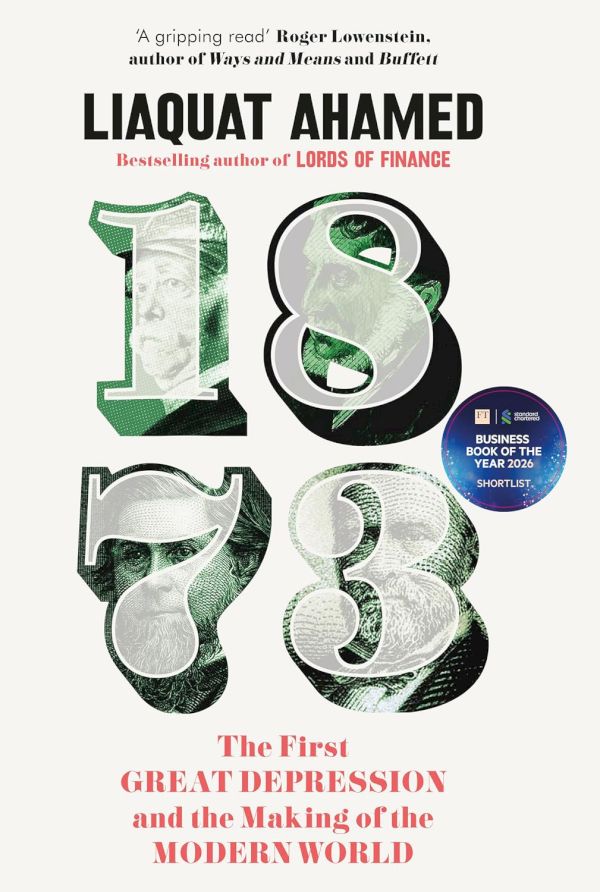
1873: The First Great Depression and the Making of the Modern World
This book is the second to be written by Liaquat Ahamed. He made his publishing debut back in 2009 with “Lords of Finance: The Bankers Who Broke the World”...
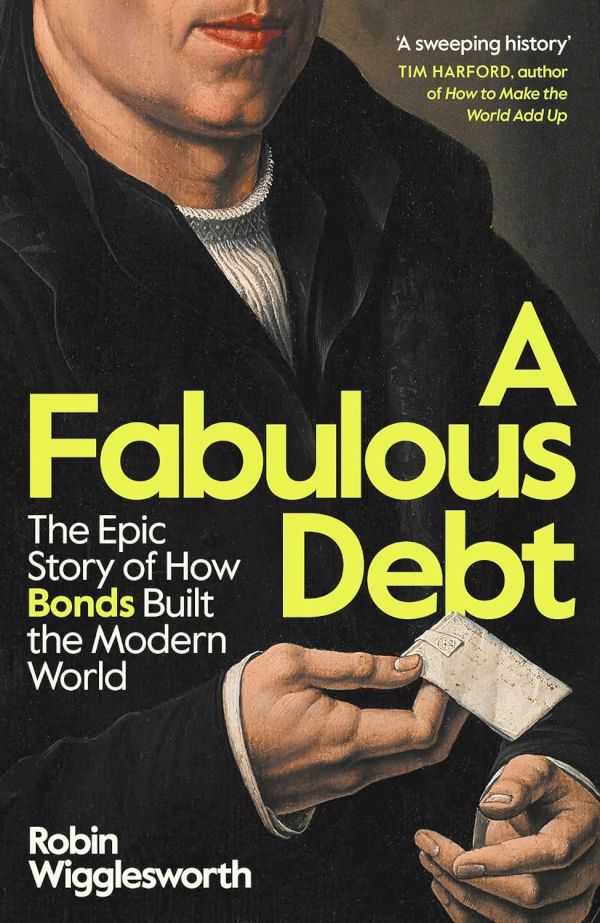
A Fabulous Debt: The Epic Story of How Bonds Built the Modern World
With global bond markets making headlines and bond yields at multi-decade highs, the new book by FT Alphaville editor Robin Wigglesworth, “A Fabulous...

Global Financial Regulation: An Opinionated Guide
Read the sub-heading of this book’s title again: “An Opinionated Guide”. This book lives up to this pitch. It is not simply a guide to many aspects of...