Originally published in 2001 in The Business Economist, volume 32, issue 2. The original publication day is unrecorded.
David Boyle, HarperCollins, 2001, xx + 236 pages, £14.99.
From The Business Economist, volume 32, issue 2 (2001).
I loved this book but it made me breathless. The bulk of the book is a trip through time, from ancient history to New Labour, via the Poor Laws, in the form of anecdotes about numbers. Some are short and others longer but the range of topics, contexts and morals is so great that it can be a bit tiring – and the grouping by chronology rather than by theme does not help. That said, many of them are humorous or illuminating. And any irritation is offset by the realisation that the underlying story that emerges is an important one.
Boyle seems to have a love-hate relationship with numbers. He reminds us that numbers don’t interpret, inspire and prove causation, and that they cannot measure love, creativity, faith and altruism. He describes the origins of ‘Average Man’ and has no time for those that reduce their world to one figure – be it for inflation or profits – and then make decisions accordingly. And he claims we are surrounded by those who are flummoxed by figures and unable to use their common sense to draw useful conclusions.
He refers to the “hopeless dream” of number crunchers to reach the “perfectly objective non-political decision”. He tells us about pioneering French statisticians hoping that their new numbers would allow politics to be abolished altogether and then tempts us to wonder about the direction our world is going as companies outsource and government hands decision-making over to ‘independent’ bodies and set, he says, 8000 targets. How well are they monitored and is the world any better for it?
He raises the important and often ignored topic of definitions. Just because the numbers spending their time in workhouses has fallen, we should resist the temptation to conclude that child poverty is any less than it used to be!
He also gives a good account of the environmentalists’ views that traditional economic measures ignore important aspects of life. The introduction of an index for tranquillity, cleanliness or privacy would be a useful addition to GDP. Policy makers and most observers have still not come to grips with valuing things that have no obvious monetary value, such as the environment. He reminds us that Adam Smith bucked the trend by including factories (as well as agriculture) in assessments of national income but excluded spending on entertainment, government and lawyers as they were deemed ‘unproductive of any value’.
Towards the end he says there is a need for a Campaign for Real Wisdom, “change without numbers is impossible; change without anything else is impossible too”.
He says that we should both measure more and measure less. Measuring more “destroys the tyranny of the bottom line and undermines the great importance of the big number”. He says we should measure less where appropriate. We should trust more, lecture less, give more hands-on experience to people, save money and have faith in our fellow citizens.
Measuring more is, as Boyle points out, the ‘trendy radical solution’ at the moment but deciding what not to measure is no easy task. As he says, “When we count less and get it wrong, we risk inefficiency, bigotry, ignorance and disaster. But when we count and get it right, we probably get closer to joy and humanity than we can any other way.”
I have to agree that we should be smarter at what we count. If you are really smart, you can have three sets of figures, as Lloyd George claimed the War Office did for casualties in WW1 – one to delude Cabinet, one to delude the public and one to delude itself.
Simon Briscoe Financial Times
Archived source: 2002-07-17 website capture.
More Book Reviews
All Reviews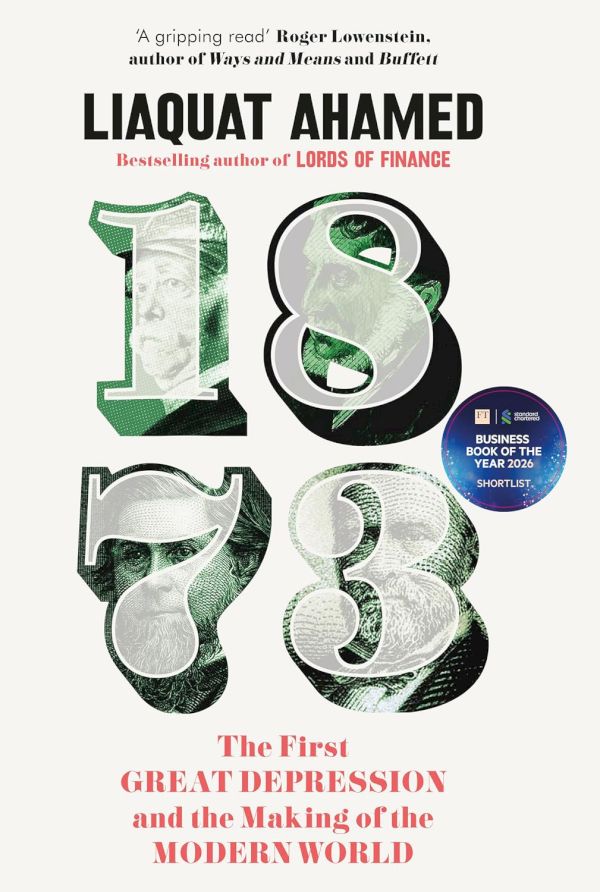
1873: The First Great Depression and the Making of the Modern World
This book is the second to be written by Liaquat Ahamed. He made his publishing debut back in 2009 with “Lords of Finance: The Bankers Who Broke the World”...
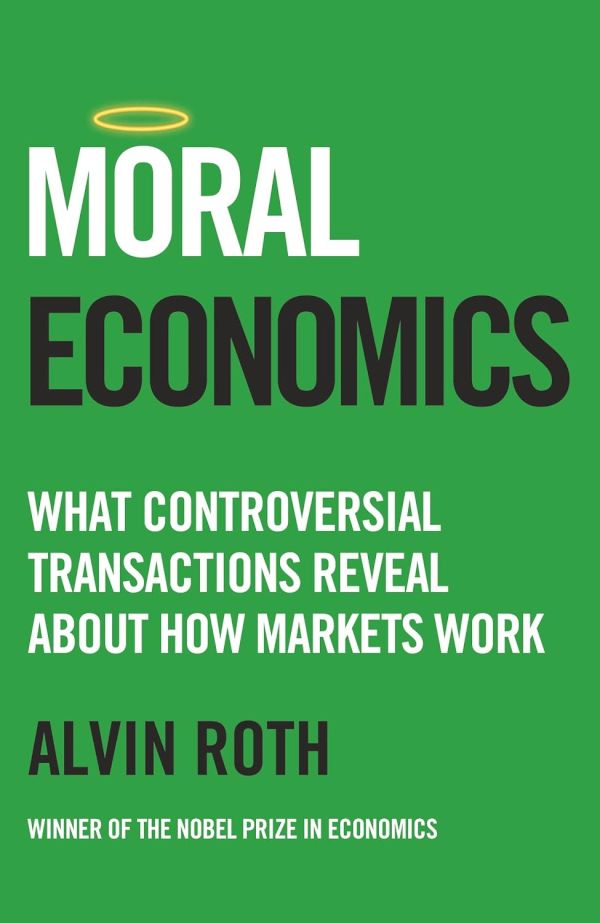
Moral Economics: What Controversial Transactions Reveal About How Markets Work
Moral Economics is an unusual book in the sense that it is a book about the things that we, collectively as a society, have decided at some point in time we do...
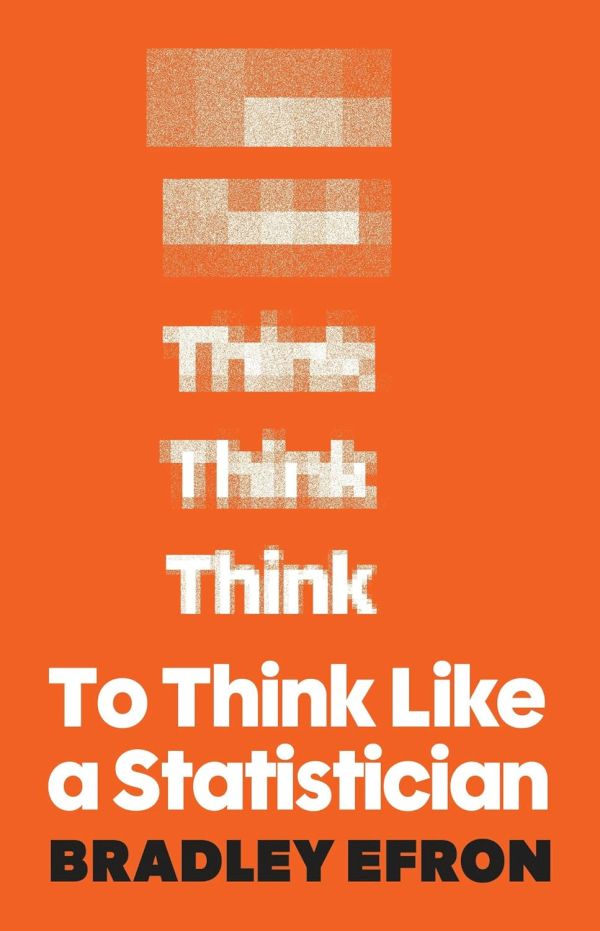
To Think Like a Statistician
Statistics professor Susan Holmes said that statistics is like Poland, perpetually surrounded by powerful neighbours — probability, mathematics, applied...