Originally published in 2004 in The Business Economist, volume 35, issue 2. The original publication day is unrecorded.
Keith Dugmore and Corrine Moy, eds, The Stationery Office, sponsored jointly by the Office for National Statistics and the Market Research Society, 2004, 179 pages, £35.00.
From The Business Economist, volume 35, issue 2 (2004).
The book succeeds in making the census appear quite interesting – no mean achievement given it is widely viewed as a dry topic. Its pages are full of useful information and the book is nicely presented with lots of illustrations and displays of data drawn from the census.
It is surprising that there are not more books like this given the size and importance of the census. The census costs around £¼ billion dwarfing the annual cost of producing all the other government statistics. Perhaps the answer lies in the book’s central theme – that the 2001 census was different from its predecessors notably in that it was the first to be readily accessible to people and small business. No one yet knows what the longer-term consequences will be of making the data freely available on the ONS website and on disc, but the act can only serve to empower people and companies.
The book does a good job of navigating people through the mountains of data explaining the unique characteristics and history of the data set. I am sure that at the time of the next census – in 2011 – there will be more books like this.
I have minor criticisms. In the Financial Times I have reported on weaknesses and problems with the census organisation and outputs but very few of the problems are mentioned in the book and where they are mentioned it is only briefly. For example, while most of the data are of good quality, users interested in inner city areas might be advised to take the figures with a larger pinch of salt than the authors suggest. The non-availability of the samples of anonymised records over three years after census day is holding back research.
I would also have appreciated more detail about how actually to use the data. There are some worked examples but not enough and not in enough detail. Readers I am sure would love to be led through the ONS website in a step-by-step process to derive useful data. The book could also have given more information about third party suppliers and the fees they might charge. These are minor issues with a valuable reference book that will help to open up the world of local area data to many new users.
Simon Briscoe Financial Times
Archived source: 2004-12-15 website capture.
More Book Reviews
All Reviews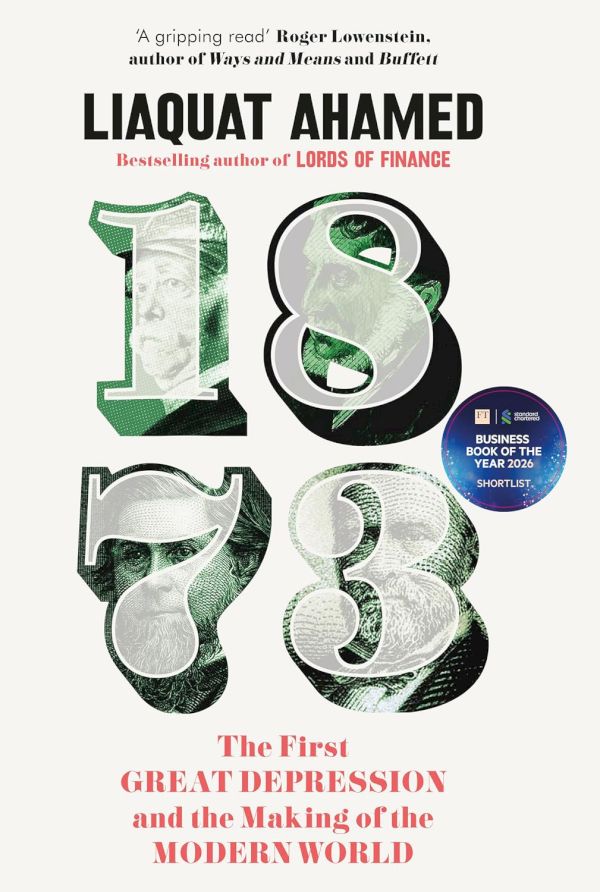
1873: The First Great Depression and the Making of the Modern World
This book is the second to be written by Liaquat Ahamed. He made his publishing debut back in 2009 with “Lords of Finance: The Bankers Who Broke the World”...
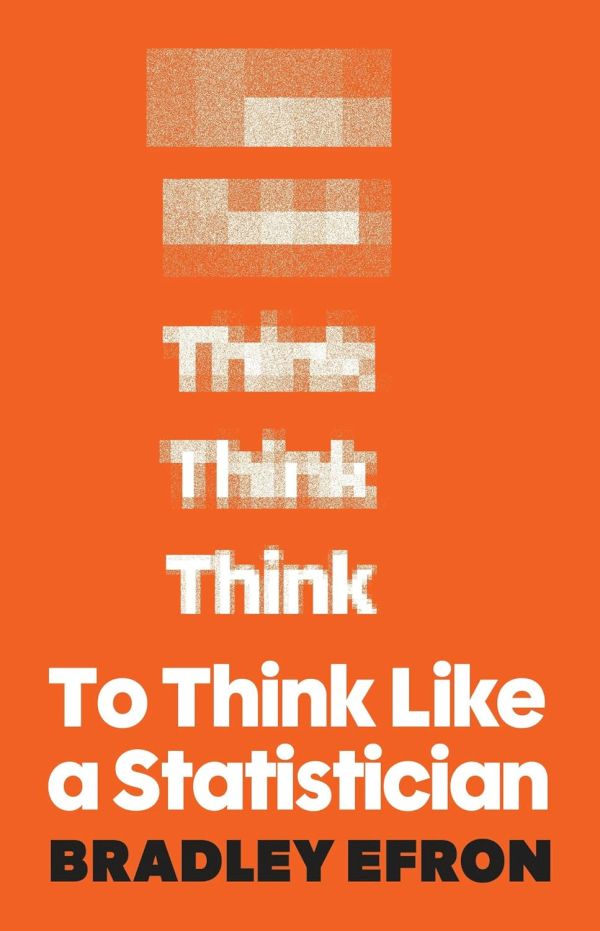
To Think Like a Statistician
Statistics professor Susan Holmes said that statistics is like Poland, perpetually surrounded by powerful neighbours — probability, mathematics, applied...

The Common Good Economy: A New Compass
I was looking forward to reading this one. Mariana Mazzucato’s earlier book The Entrepreneurial State sits proudly on my shelf, between my copies of JM...