Originally published in 2001 in The Business Economist, volume 32, issue 3. The original publication day is unrecorded.
Bruno S Frey, Edward Elgar, 2001, ix + 236 pages, £55.00.
From The Business Economist, volume 32, issue 3 (2001).
This is an inter-disciplinary book and, as such, may appeal to university teachers who favour an inter-disciplinary approach. However, in my experience, university libraries are not always sure how best to handle a single copy: should it be in the economics section, should it be in psychology, or should it be in politics? There are chapters relating to all of these areas.
The book is divided into three parts: On Economics, Integrating Psychology and Political Economy. The emphasis is on behaviour; in particular the psychology of behaviour and behavioural economics. Frey’s aims are to convince the reader that economics is able to contribute to analysing the real world and to make “relevant and novel suggestions for improvement”. Frey suggests that economics has moved from being a dismal science into a boring one. He defines the ‘message’ of the book as: “it is now time to embark on a new course and to switch from being an exporter to an importer of ideas….. Many other concepts and ideas can fruitfully be borrowed from other social sciences”.
Frey clearly believes that these ideas are largely new. He cites Malthus and Marx as prophets of economics as a dismal science, but does not cite Hume or John Stewart Mill as commentators who related economics to many areas of society. For example, there is a chapter called ‘Marriage paradoxes’ setting out and criticising the neo-classical theory of marriage but with no reference to anything written before 1975. It is almost as though Hume did not write on marriage and divorce.
Eight of the thirteen chapters are based on or use material from papers and articles that are already in the public domain, although Frey does say they have been refined and adapted for use in the present volume. Nor is it all Frey’s own work; although he is not described as the editor nine chapters are written ‘with’ others, four with Reiner Eichenberger. There are 236 pages, but there are many references, a number of large diagrams and each short chapter is summarised at the end. The result is that the actual text covers rather less than 200 pages.
It is not easy to follow an argument in the book because it is more a collection of ideas – all interesting in themselves, but not forming a coherent whole. It seems that Frey is struggling to relate economic theory to emotional and other behaviour. There is a chapter entitled ‘What are the sources of happiness?’ which is interesting enough in itself but is not really part of a picture of human emotion. Although ideas are introduced, they are not followed through and one feels that this is more of an attempt to start a debate than anything else. At £55 readers may find it worth a glance if it is in their library but it is probably one their personal library could do without.
Mary Berg Consultant Economist
Archived source: 2002-07-18 website capture.
More Book Reviews
All Reviews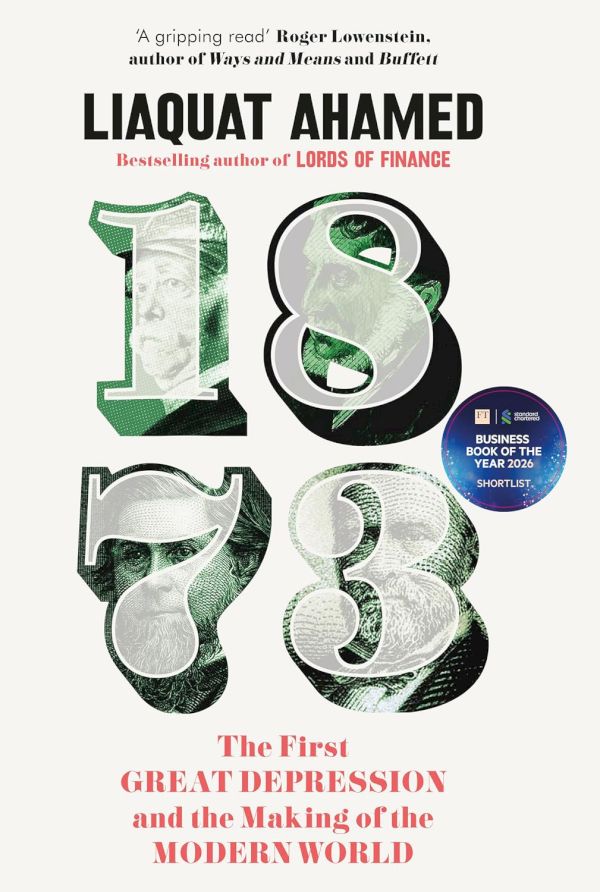
1873: The First Great Depression and the Making of the Modern World
This book is the second to be written by Liaquat Ahamed. He made his publishing debut back in 2009 with “Lords of Finance: The Bankers Who Broke the World”...

Contingent Expectations
Nearly all important economic decisions depend in some degree on expectations, as opposed to established facts. At the beginning of their new book, Alexander...
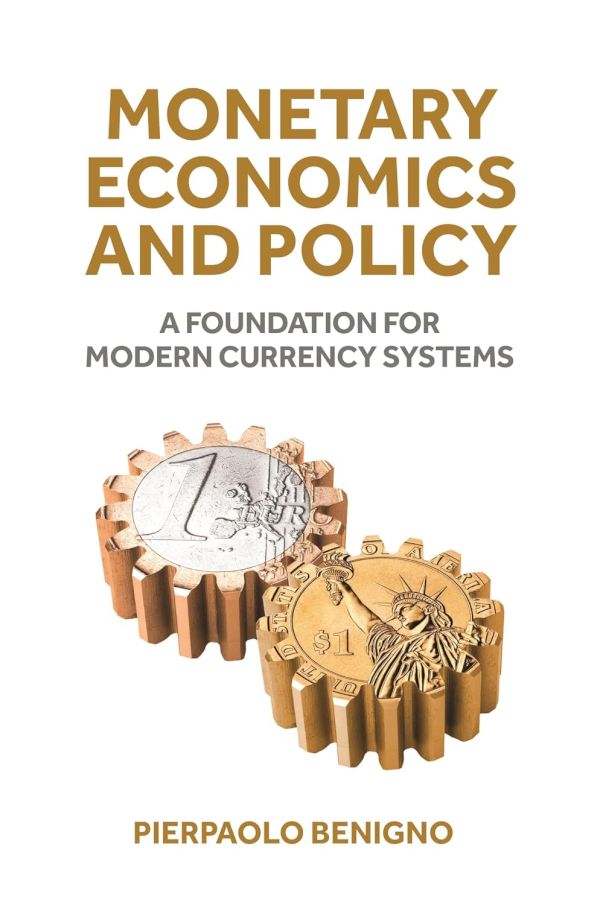
Monetary Economics and Policy: A Foundation for Modern Currency Systems
I enjoyed reading this book. It covers a wide surface area of monetary economics, and I think it will be useful for people studying the subject. It is...