Originally published in 2003 in The Business Economist, volume 34, issue 3. The original publication day is unrecorded.
Chang Sea-jin, Cambridge University Press, 2002, 364 pages, £55.00.
From The Business Economist, volume 34, issue 3 (2003).
A recurrent theme in the literature on South Korea’s economic development is the role played by the nation’s business groups or chaebol. Having been hailed as the driving force behind Korea’s spectacular economic performance in the 1960s and 1970s, the conglomerates became the object of criticism and a target for reform in later decades, as concerns increased over their business and management practices, development strategies, and their domination of most areas of economic activity. For many critics, these were key factors in the financial crisis that engulfed Korea in late 1997. The central argument of this book is that the fundamental problems facing the chaebol in the late 1990s were largely attributable to the weakness of their corporate governance systems and distortions in the Korean financial markets.
Chang wisely limits his discussion of the history of the chaebol and the evolution of the state-business relationship in South Korea, both of which have been well documented elsewhere [See Kang Myung Hun (1996), Kim Eun Mee (1994), Lee Yeon-ho (1997) et al]. The strength of this book lies in its thorough examination and detailed analysis of the conglomerates’ internal operations, their pre-1997 business performance, and the advantages and disadvantages of their growth strategies. In particular, Chang focuses on the weaknesses in the chaebol’s financial and organizational structures, ownership patterns and strategies of vertical integration and diversification, and on the inertia that hindered the conglomerates’ ability to adapt to the changing business environment.
In the aftermath of the crisis the chaebol, finding themselves under the scrutiny of the international financial community, were forced to make some structural and organizational changes. Chang argues persuasively that the precondition for the successful completion of the corporate restructuring process is the reform of the institutional environment in general and corporate governance systems in particular. In the final section of the book, Chang considers the implications for other developing countries in the process of making the transition from a developmental state to a market-based economy.
Given that the book has been written and published more than five years after the financial crisis, it is rather disappointing to find that only a relatively small section of the work is devoted to an analysis of post-crisis reform efforts and the obstacles to their success. Finally, although the written style is clear, it is sometimes stilted and this, combined with awkward phrasing, hinders the flow of the narrative and argument in places.
Judith Cherry School of East Asian Studies, University of Sheffield
Archived source: 2004-02-23 website capture.
More Book Reviews
All Reviews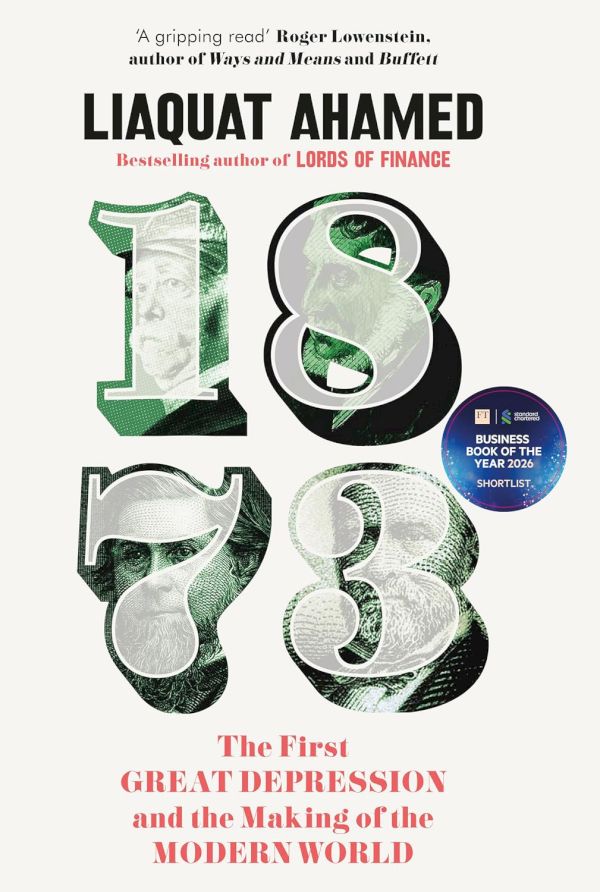
1873: The First Great Depression and the Making of the Modern World
This book is the second to be written by Liaquat Ahamed. He made his publishing debut back in 2009 with “Lords of Finance: The Bankers Who Broke the World”...
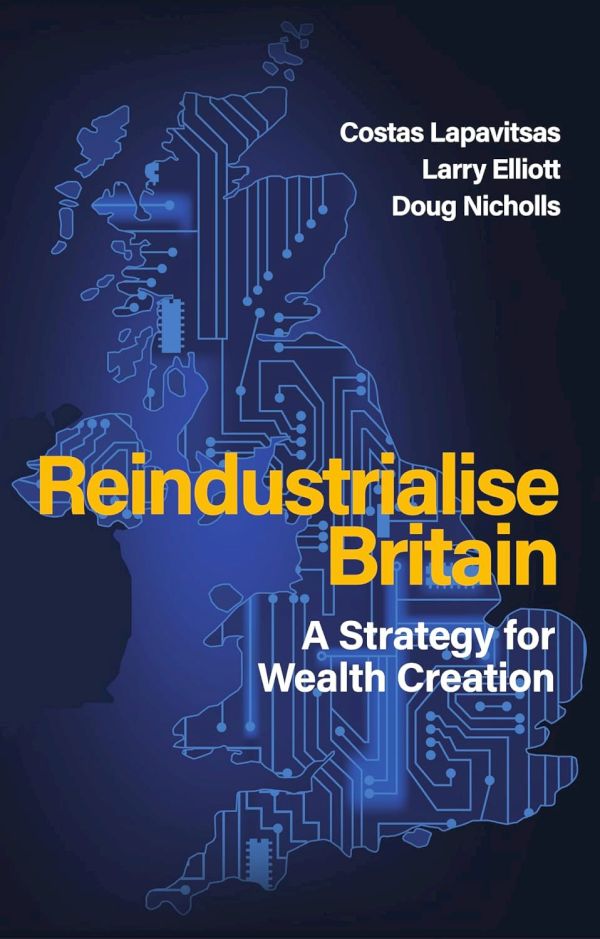
Reindustrialise Britain: A Strategy for Wealth Creation
The nearest thing to an epiphany I had as a student came when I read an early paper (by Dennis Snower, I think) on the “insider-outsider” model of the...
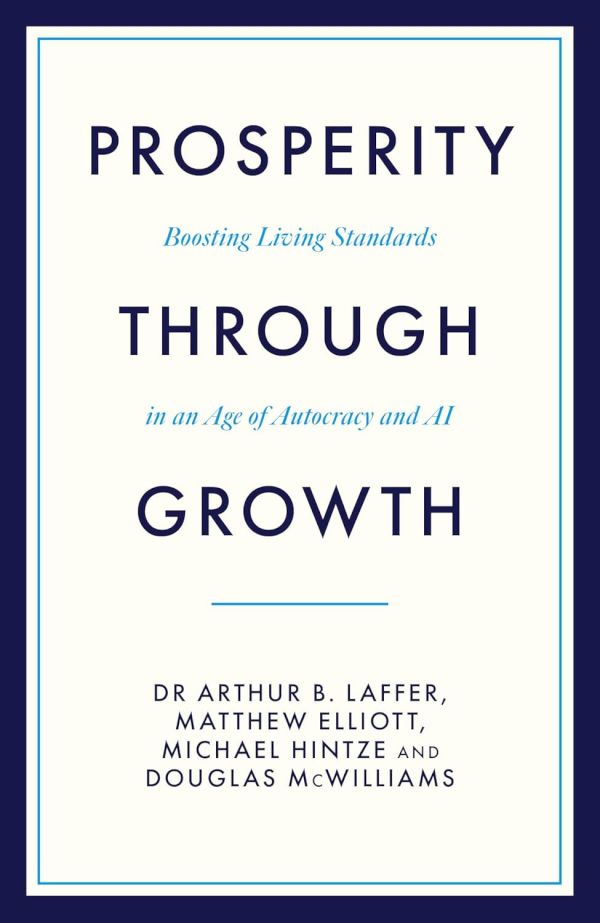
Prosperity Through Growth
What creates prosperity, and why do countries that have become rich sometimes seem to forget how they got there? We have covered this in previous SPE book...