Originally published in 2006 in The Business Economist, volume 37, issue 1. The original publication day is unrecorded.
Fiorella Kostoris Padao Schioppa, (ed), Palgrave Macmillan, 2005, xv + 242 pages, £55.00.
From The Business Economist, volume 37, issue 1 (2006).
In the UK and many other European countries, a major concern of business at the present moment is with the increase in the regulatory burden being imposed on companies and its consequences for competitiveness. Opponents of European integration are quick to direct the criticism at the European Commission in Brussels. In its quest to eliminate all remaining barriers to the creation of the single market, the Commission is sometimes regarded as being obsessed with harmonisation for harmonisation’s sake. Thus, everything from margarine to recording systems for musical equipment becomes the focus of its interest in an endless battle to eliminate national differences and create a level playing-field.
This, however, is to ignore the important shift that took place in Europe in 1979 following the now famous Cassis de Dijon ruling by the European Court of Justice. In this important ruling, the ECJ ruled that no imports of any good that had been lawfully produced and marketed in one member state could be denied entry by another member state, even if the good had been produced to a different technical or quality standard. This meant that the need to harmonise all national regulations and standards governing each products sold within the European market was no longer required. All that was needed was for the member states to agree minimum health and safety standards that products must satisfy and free trade was assured.
This is the principle of mutual recognition that has subsequently become the pillar of the approach adopted by the EU to creating a unified market ever since. In this fascinating book on the role played by the principle of mutual recognition in the integration process, a variety of leading contributors drawn from different fields shed light on the legal and economic significance of the change that has taken place and its implications. After an opening chapter setting out the historical background, the remaining chapters discuss different aspects of Europe’s experience in applying mutual recognition to trade within the single market. Separate chapters deal with mutual recognition applied to goods and service markets, the recognition of professional qualifications and the movement of workers.
While all contributors acknowledge the important strategic advantages and welfare gains that the application of mutual recognition has brought, there is much more still to be done if Europe is to maximise the gain from the approach it has chosen. An interesting aspect that is touched upon, but not fully developed, is the lessons of EU experience for the WTO in its attempt to face the challenge posed by the increasing importance of technical and administrative barriers in world trade.
Nigel Grimwade London South Bank University
Archived source: 2006-07-03 website capture.
More Book Reviews
All Reviews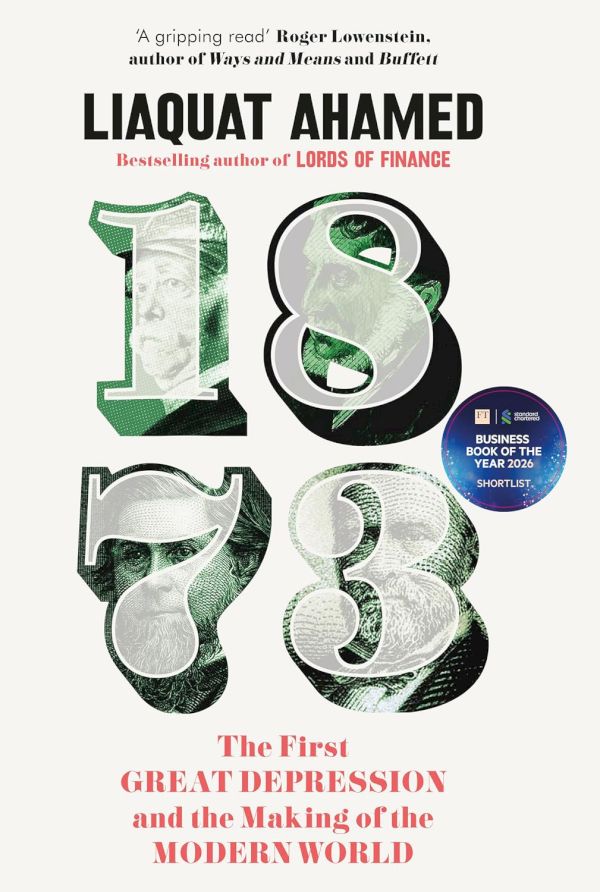
1873: The First Great Depression and the Making of the Modern World
This book is the second to be written by Liaquat Ahamed. He made his publishing debut back in 2009 with “Lords of Finance: The Bankers Who Broke the World”...

How To Think About AI: A Guide for the Perplexed
Richard Susskind’s ‘How to Think About AI: A Guide for the Perplexed’ offers a clear and thoughtful introduction to an inherently complex and...

How to Invest: Navigating the Brave New World of Personal Investment
This book provides a lively summary of the latest research into how to invest in an uncertain world, infused with the extensive hands-on experience of the...