Originally published in 2002 in The Business Economist, volume 33, issue 3. The original publication day is unrecorded.
W M Corden, MIT Press, 2002, xiv + 274 pages, £20.50.
From The Business Economist, volume 33, issue 3 (2002).
Perfectly fixed or floating, with nothing in between. This bipolar view of foreign exchange regimes is wrong. This is the conclusion of W.M Corden’s latest book, which summarises and aptly describes the costs and benefits of all the available exchange rate regimes with reference to the three different approaches to exchange rate policy: the real targets approach, the nominal anchor approach and the exchange rate stability approach. The conclusion reached is not only that there are many options available on the choice of exchange rate regime but also that it has been overrated as a culprit for financial crises. This particularly applies to Emerging Asia.
While Corden acknowledges that there are other viable options than a choice between a completely free float or a totally fixed regime, he gives too much credence to the benefits of a firmly fixed exchange rate. The author argues that the case for a fixed rate is greater for an open economy when viewed from both the real targets and exchange rate stability approaches. This academic argument does not really deserve much attention as the ability to hedge currency risk is present in most countries around the world. Also, the real world is subject to continual one-off shocks, and so flexibility of the exchange rate increases the degrees of freedom for the authorities in dealing with this. It is arguable that a policy that targets the level of effective competitiveness would be more useful. This is because it reduces the costs of adjusting to shocks rather than forcing the economy itself to bear all the burden.
On the issue of whether to peg to a basket of currencies or to a single currency Corden concludes that the single currency is more favourable. This is because it at least means there is a solid commitment on which to fix expectations. However, this goes very much against the trend in many emerging markets to diversify their export destinations, away from the US for example.
Why should inflation stabilisation plans be based on the exchange rate? Fiscal policy or inflation targeting is much more effective. This sound conclusion comes from real world examples, where too much emphasis had been placed on the exchange rate regime.
Overall, this comprehensive and tightly-written book is well worth reading, though the initial chapters are text-book-like in nature. It helps provide a framework for analysis. The real world examples do expose strong points, such as that exchange rate regime is unimportant if fiscal policy is out of control. However at times I was left with the feeling that some of the conclusions would not have been reached by an economist with less of an ‘ivory-tower’ background.
David Mann Standard Chartered Bank
Archived source: 2003-01-07 website capture.
More Book Reviews
All Reviews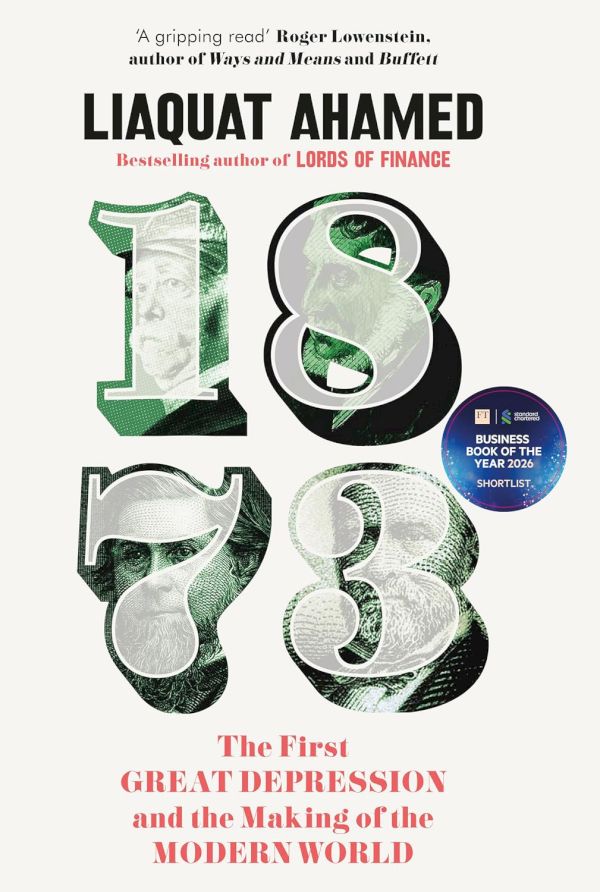
1873: The First Great Depression and the Making of the Modern World
This book is the second to be written by Liaquat Ahamed. He made his publishing debut back in 2009 with “Lords of Finance: The Bankers Who Broke the World”...

How to Invest: Navigating the Brave New World of Personal Investment
This book provides a lively summary of the latest research into how to invest in an uncertain world, infused with the extensive hands-on experience of the...
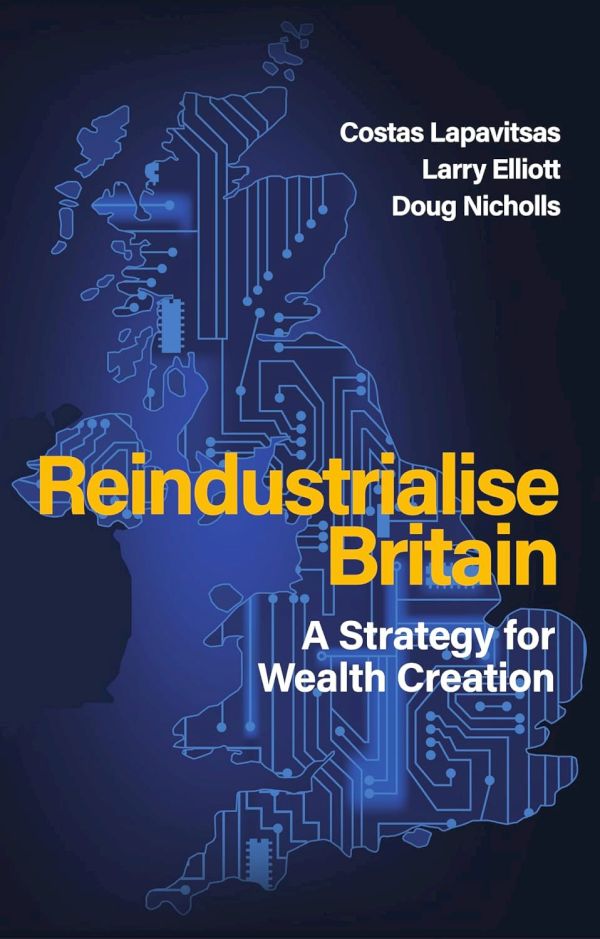
Reindustrialise Britain: A Strategy for Wealth Creation
The nearest thing to an epiphany I had as a student came when I read an early paper (by Dennis Snower, I think) on the “insider-outsider” model of the...