Originally published in 2005 in The Business Economist, volume 36, issue 2. The original publication day is unrecorded.
John Perkins, Berrett-Koehler Publishers, 2004, xxi + 249 pages, $24.95.
From The Business Economist, volume 36, issue 2 (2005).
It is rare to come across a book that takes your breath, and potentially, your livelihood away. This may be one such. In the global battles of words, numbers and more lethal hostilities, there seem never to be outright winners or losers, just the ebbs and flows of the battles.
So, who are Economic Hitmen (or EHMs, as they call themselves)? According to the author, who describes himself as a former member of this group, they “are highly paid professionals who cheat countries around the globe out of trillions of dollars. They funnel money from the World Bank, the US Agency for International Development (USAID), and other foreign ‘aid’ organisations into the coffers of huge corporations and the pockets of a few wealthy families who control the planet’s natural resources. Their tools include fraudulent financial reports, rigged elections, payoffs, extortion, sex and murder. They play a game as old as empire, but one that has taken on new and terrifying dimensions during this time of globalisation.”
Although for the most part this is the autobiography (1963-2004) of an American, who for a decade worked for MAIN, a relatively low-profile (ie hush-hush) engineering consultancy, whose competitors included Arthur D Little, Stone & Webster, Brown & Root, Halliburton and Bechtel (where have we heard some of these names recently in receipt of juicy contracts?), its relevance to our readers may be epitomised by his description of how he (and his company) prospered through the preparation of reports containing optimistic forecasts of energy demand – “off the chart”, as a colleague described them “an economy that will soar like a bird”, (his management required them to show annual increases of at least 15 per cent in justification of projects compared with a more conservative 8 per cent offered by the man he replaced, who got fired as “having lost touch with reality”). Even econometrics gets an occasional mention as a useful tool in this process; early on in his induction he discovered that “statistics can be manipulated to produce a large array of conclusions, including those substantiating the predilections of the analyst”.
Perkins has travelled extensively to do his job – including visits to Indonesia, Panama, Ecuador, Colombia, Saudi Arabia and Iran – in pursuing the US economic ‘footprints’ of ‘development’. Despite the material success his work gave him, eventually, his conscience kicked in. In 1982 he set up his own company (Independent Power Systems (IPS)) to support environmentally-friendly electricity generation; sadly, though not necessarily surprisingly, in 1990 he was pressurised to “succumb to the corporatocracy” (a coalition of government, banks and corporations), by selling out to Ashland Oil Company.
The author tried five times to start writing this book but was threatened or bribed to desist. However, here it is. He remains optimistic. You may find reading this book, either entertaining, in a sick way, or provoking rage, apoplexy or intense depression. Judge for yourself. If the cap fits…
Archived source: 2006-05-26 website capture.
More Book Reviews
All Reviews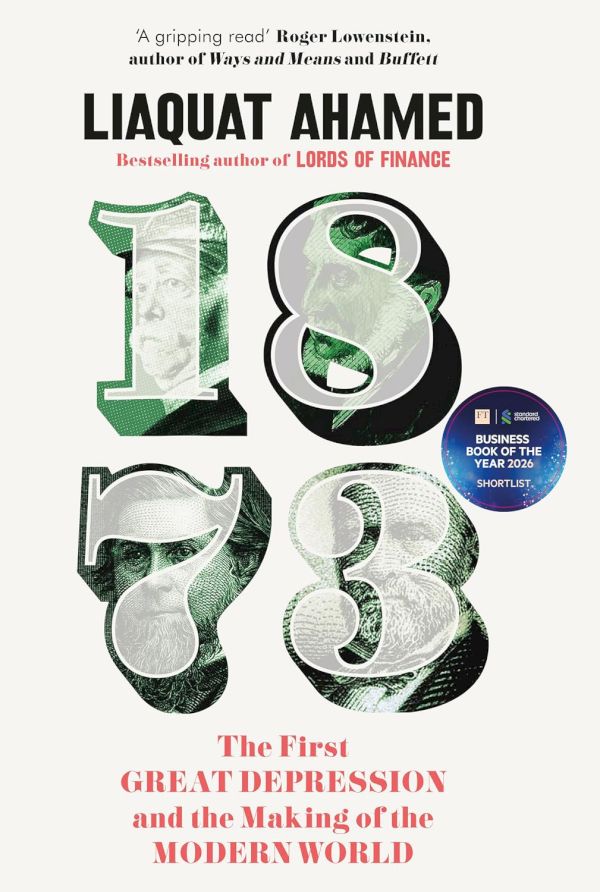
1873: The First Great Depression and the Making of the Modern World
This book is the second to be written by Liaquat Ahamed. He made his publishing debut back in 2009 with “Lords of Finance: The Bankers Who Broke the World”...
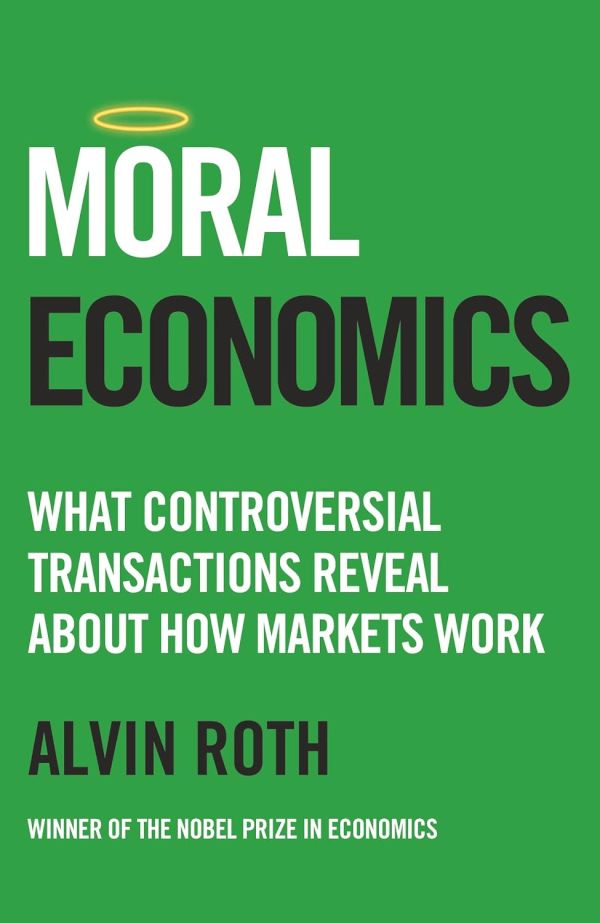
Moral Economics: What Controversial Transactions Reveal About How Markets Work
Moral Economics is an unusual book in the sense that it is a book about the things that we, collectively as a society, have decided at some point in time we do...
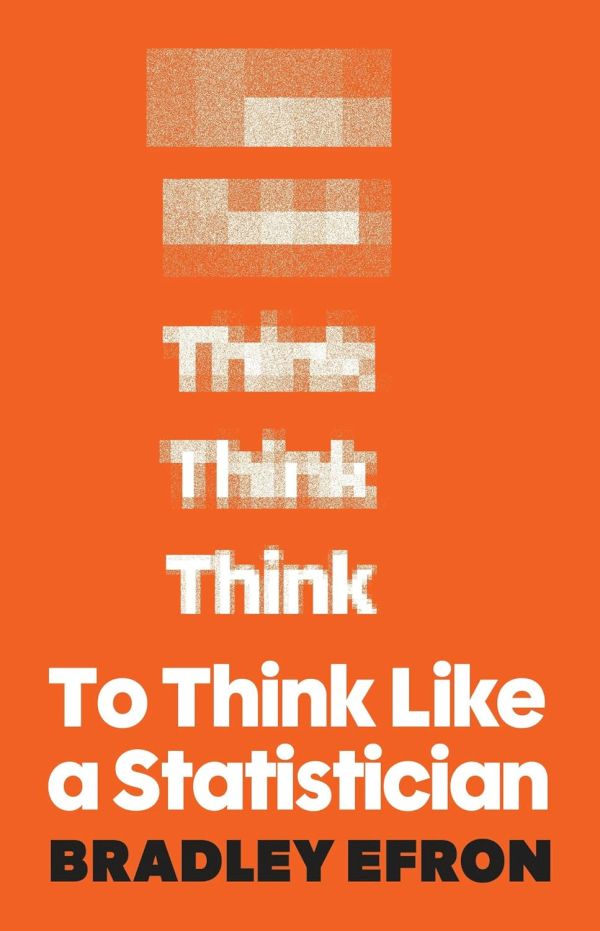
To Think Like a Statistician
Statistics professor Susan Holmes said that statistics is like Poland, perpetually surrounded by powerful neighbours — probability, mathematics, applied...