Originally published in 2004 in The Business Economist, volume 35, issue 2. The original publication day is unrecorded.
Jagdish Bhagwati, Oxford University Press, 2004, xiv + 535 pages, £23.95.
From The Business Economist, volume 35, issue 2 (2004).
Is globalisation a good thing? The majority of economists would argue in its favour, but the majority of non-economists, in the west at least, appear more sceptical. Common arguments against globalisation include the loss of jobs to cheaper producers (as in John Kerry’s attempts to make outsourcing an issue in this year’s US presidential election) and its perceived role in increasing child labour in poor countries.
Jagdish Bhagwati is passionately and unashamedly in favour of most aspects of globalisation (he has serious doubts about unfettered capital flows). In this book he takes on anti-globalisation protestors on their own ground, refutes their arguments and shows that globalisation “has a human face”. He dismisses the headline-grabbing arguments of the anti-globalisation crowd as selective and misleading and presents an impressive array of evidence that globalisation is indeed a good thing.
The way Bhagwati deals with child labour illustrates his approach. Whilst not disputing that some children in poor countries work in appalling conditions, he argues that this is due to poverty rather than the wickedness of global corporations. He then presents evidence to show that economies that embrace open trade tend to grow faster, that poverty declines more rapidly in fast-growing countries and that as poverty declines, so child labour falls too. Education is clearly a superior good as consumption of children’s education rises with incomes.
But Bhagwati is not content with just winning the argument in favour of globalisation; he thinks it will produce even better results if it is managed. And he wants to recruit those who are often most sceptical about globalisation – non-government organisations like the World Wildlife Fund – to help. They are the real target audience of this book and I suspect that Bhagwati will regard the book as something of a failure if it fails to convince them of the error of their ways and the need to join the globalisation movement.
This would be unfortunate because views on globalisation are deeply entrenched and converts will be hard to win. And this book should not be regarded as a failure but as a great success. You will not agree with everything in it – I didn’t – but it is comprehensive, well-argued and very well written. Bhagwati has a wonderful turn of phrase, for example in pointing out why George Soros could not engage with a group of anti-capitalists because to them “anyone who is into stocks and bonds should be put in stocks and bonds”. This is also the first economics book I have read that discusses what O J Simpson’s wife got up to after dinner and coffee (you’ll have to buy the book to find out).
Highly recommended.
Tony Dolphin Henderson Global Investors
Archived source: 2004-12-15 website capture.
More Book Reviews
All Reviews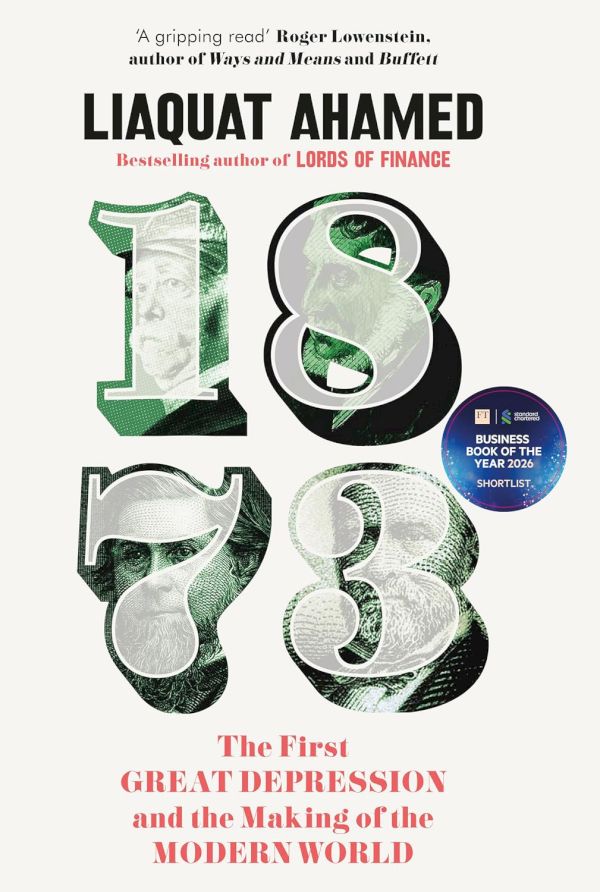
1873: The First Great Depression and the Making of the Modern World
This book is the second to be written by Liaquat Ahamed. He made his publishing debut back in 2009 with “Lords of Finance: The Bankers Who Broke the World”...

Contingent Expectations
Nearly all important economic decisions depend in some degree on expectations, as opposed to established facts. At the beginning of their new book, Alexander...
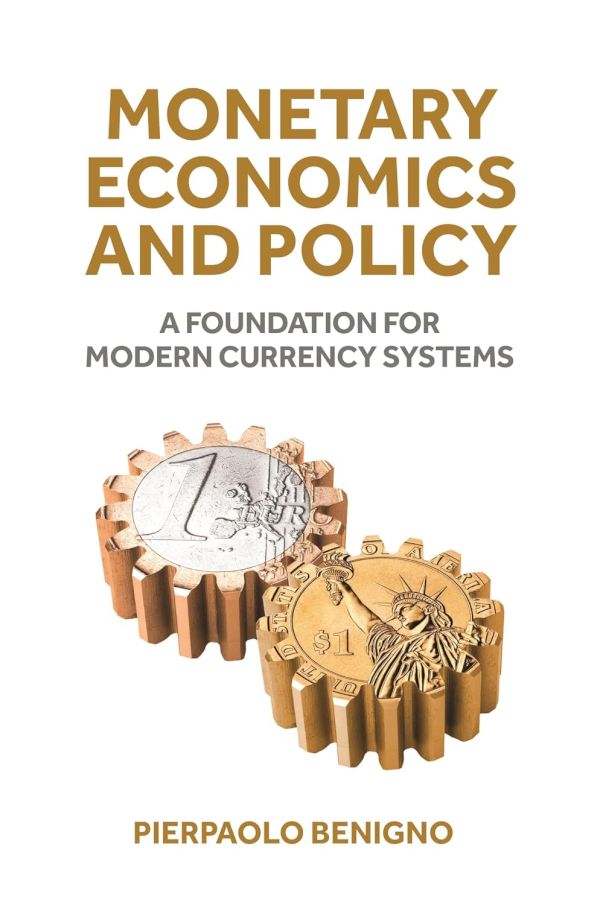
Monetary Economics and Policy: A Foundation for Modern Currency Systems
I enjoyed reading this book. It covers a wide surface area of monetary economics, and I think it will be useful for people studying the subject. It is...