Originally published in 2004 in The Business Economist, volume 35, issue 1. The original publication day is unrecorded.
Roger Bootle, Nicholas Brearley Publishing, 2003, x+380 pages, £20.00.
From The Business Economist, volume 35, issue 1 (2004).
The scope of this book is ambitious, but the author is up to the task. It looks at the very real economic dangers still facing the world today after the bubble economy of the 1990s and contrasts this with the possibility that, as Roger Bootle puts it, “we stand on the brink of the greatest increase in prosperity in our history”. He describes both the wealth illusion that led to the financial excesses of recent years and the sources of real wealth that are currently gathering momentum. It is a complex story but one of Bootle’s great strengths is his ability to extract key trends and influences from the noisy chaff of short-term events that inevitably dominate most everyday work.
The book is divided into four parts. Part I looks at the dangers – the financial fantasies and easy money culture of the 1990s, the stock market bubble and its impact, particularly on pensions, and the danger that we still run of a possible debt-deflation scenario. Anyone who feels that the economic and stock-market recoveries of 2003 mean that we have safely skirted such dangers, should take note of the analysis in this section.
If Part 1 is worrying, then Part II lifts the spirits. Here Bootle’s grasp of economic and political history adds to the perceptive analysis (those who attended last year’s SBE conference had a foretaste of this) to provide what is perhaps the most revealing part of the book. He identifies three great sources of wealth creation: the accumulation of knowledge; the growth of international trade (ie increased specialisation); and good governance. He argues that, almost uniquely in history, we stand at a point where all three elements are supportive of an increase in prosperity – and their interaction could, if economic and political policies do not counteract it, lead to a magnificent future.
Crucial to the analysis is the potential not just of China and East Asia, but also India, currently on the brink of a step upwards in its growth rate, the rest of the sub-continent and the former communist bloc. The impact of these regions on the potential growth of world trade is fairly obvious to the economist but this is not all. The more people there are who are sufficiently released from everyday drudgery to think, the greater the creativity and innovation that can provide the genesis for future growth. And with over half the world’s population the addition to the world’s thinkers and innovators that these regions will provide is substantial.
Any advance in technology takes time to have its real effect and we are only just beginning to see the potential of information technology – but the importance of this lies not just in any increase in productivity it generates but also the way it will facilitate future advances in, and dissemination of, coming technologies such as biotechnology and nanotechnology.
Good governance is essential for societies to flourish. The collapse of communism, the acceptance of competitive markets and the rediscovery of the importance of effective social institutions together provide the basic structure which should both underlie and reinforce the actions of the other two forces.
Part III of the book looks ahead to the future for finance, business and for individuals and gives some glimpses into the future. This is an eclectic section, inevitably coloured by the author’s personal opinions and the subject is possibly too vast to be compressed into one section of a book. But it is still worth reading and gives some tantalising images of how life might be in “the time of promise and prosperity.”
But there are of course many pitfalls on the way and a brief Part IV gives Bootle’s prescription for the policies necessary if the dangers of Part I are to be minimised and the promise of Part II fulfilled including fending off the threat of deflation and resisting protectionism.
Do read this book. Bootle did not intend it primarily for professional economists but I would be surprised if you did not emerge from it with your understanding of the fundamental economic forces currently shaping our world, the opportunities and the threats, greatly enhanced. Better still, encourage any politician or policy maker you know, or those that influence them, to read it. The messages from the book are important and the better the understanding of them the better the chance that we will achieve the potential that lies before us.
Jill Leyland World Gold Council
Archived source: 2004-08-17 website capture.
More Book Reviews
All Reviews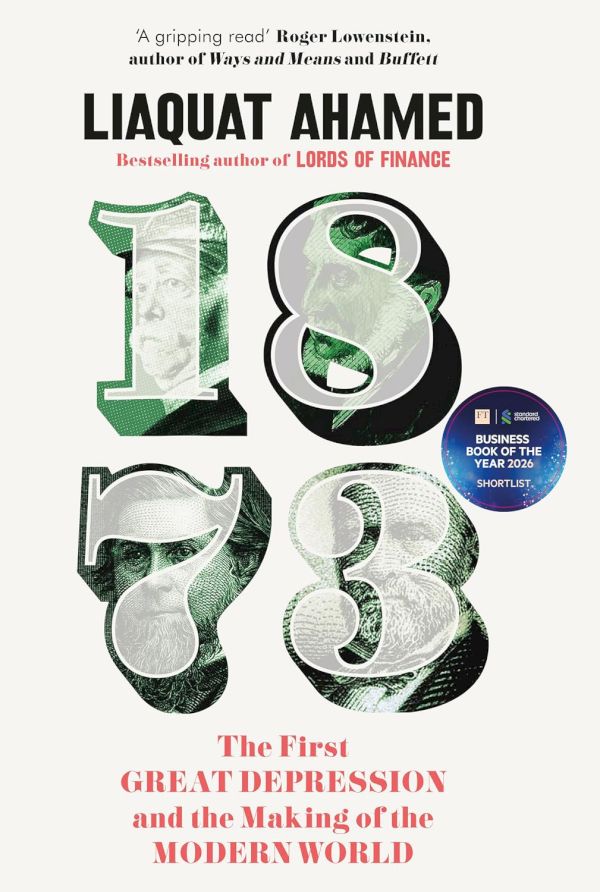
1873: The First Great Depression and the Making of the Modern World
This book is the second to be written by Liaquat Ahamed. He made his publishing debut back in 2009 with “Lords of Finance: The Bankers Who Broke the World”...
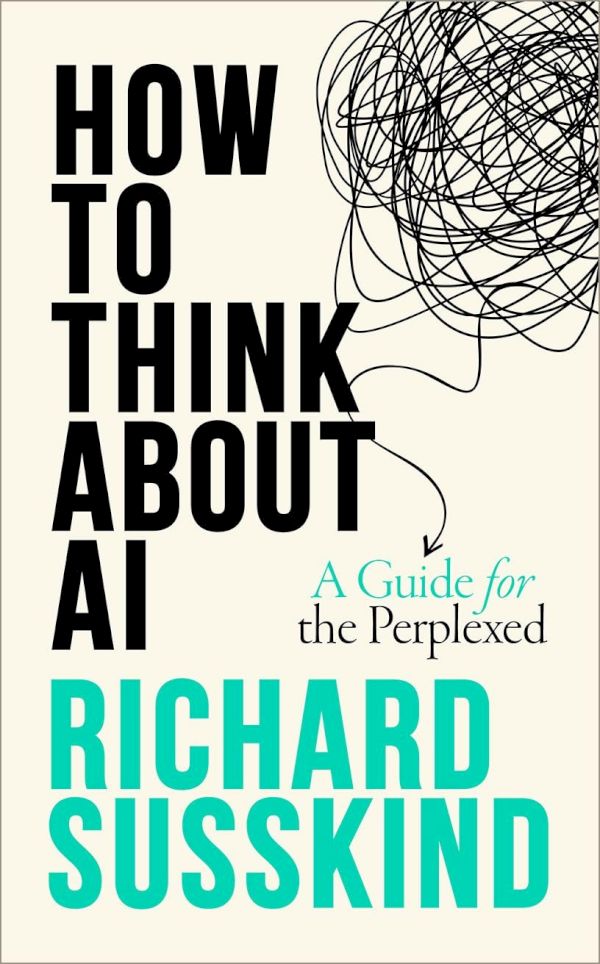
How To Think About AI: A Guide for the Perplexed
Richard Susskind’s ‘How to Think About AI: A Guide for the Perplexed’ offers a clear and thoughtful introduction to an inherently complex and...

How to Invest: Navigating the Brave New World of Personal Investment
This book provides a lively summary of the latest research into how to invest in an uncertain world, infused with the extensive hands-on experience of the...