Originally published in 2002 in The Business Economist, volume 33, issue 3. The original publication day is unrecorded.
Matt Marshall, Random House, 2001, 464 pages, £14.99.
From The Business Economist, volume 33, issue 3 (2002).
This book on the introduction of the euro was originally published in 1999, but has been updated with an extra chapter covering the period up to 2001. It covers a range of aspects including the personalities and biographies of the key participants in EMU – notably Messrs Duisenberg, Tietmayer, Trichet and Issing – ‘previous attempts at a single currency’ and the negotiations culminating in EMU, some aspects of the ECB’s operations and the broader political background. It is written for the general reader and not the specialist economist, with explanations given of even the most basic aspects of finance and economics.
I read the book from a particularly interested standpoint, in that I was Deputy Head of the Stage Two Division at the EMI, the predecessor of the ECB, from 1994-8 and hence was deeply involved in the assessment of the performance of individual EU economies, including in particular the evaluation of their readiness to enter EMU. I wrote a number of speeches for Messrs Lamfalussy and Duisenberg, and more recently have been involved in the UK EMU debate via research at NIESR, which suggests that EMU underpins investment by reducing exchange rate instability on a trade-weighted basis.
Broadly speaking, I found the book interesting and quite comprehensive. It was of particular value for providing a better insight into how the history and politics of individual countries conditions their approaches to central banking, EMU and the EU more generally. Here in the UK, the background to the German, French and Italian approaches is all too often poorly understood. Equally, I found some of the details of summits and central bankers meetings in the run up to EMU quite fascinating. The tensions underlying the current UK debate are also well covered.
Another detail that I as a committed Christian was fascinated to find from the book is the strong Christian faith of a number of the key central bankers, including our own Eddie George and also Messrs Tietmayer, Fazio, Wellink and O’Connell.
The book remains imperfect. It betrays all too well the fact that it was written shortly after January 1999, with a disproportionate discussion of the problem of the day, overbidding for central bank liquidity. It underplays the role of a number of individuals whose contribution to EMU was decisive, not least Robert Raymond, the vice president of the EMI and Wolfgang Schill, the Head of the ECB’s Economic Developments Division. The book switches between topics and themes in mid chapter quite frequently. Coverage of periods of financial instability is much too simplistic (eg suggesting the debate over interest rates led to the 1987 stock market crash).
There are some crucial omissions. Not least is the real threat to EMU from the lack of (adequate) pension reform in Continental Europe, which threatens to increase budget deficits sharply as the population ages, unless massive tax rises supervene. Also there is insufficient discussion of the inflation objective of maximum 2%, of the nature and role of economic forecasting in the ECB, of the two year lag in the maximum effect of monetary policy on the economy, of the distinction between cyclical and structural fiscal positions, real and nominal interest rates and the importance of variable rate financing in the UK, to name but a few.
There are also a few howlers that really should have been corrected for a second edition. These include the following: (in June 2001) “the euro was floating between 3.15 and 3.2 euros to the pound”; (the central bank governors) “meet ten times a month at the G-10 meetings in Basel”; it is implied on page 306 that the German net EU contribution is due solely to structural funds and not to agricultural spending. On page 244 the “US-dominated IMF” is held to be the main player in times of financial crisis (along with the Fed), while on page 414 the “European-dominated IMF” is saying the euro is 30% overvalued!
But all of these do not on balance detract from a book that will certainly find a place on the bookshelf of those committed to the study of EMU, and of political, financial and central-bank developments related to it.
Professor E Philip Davis Brunel University
Archived source: 2003-01-07 website capture.
More Book Reviews
All Reviews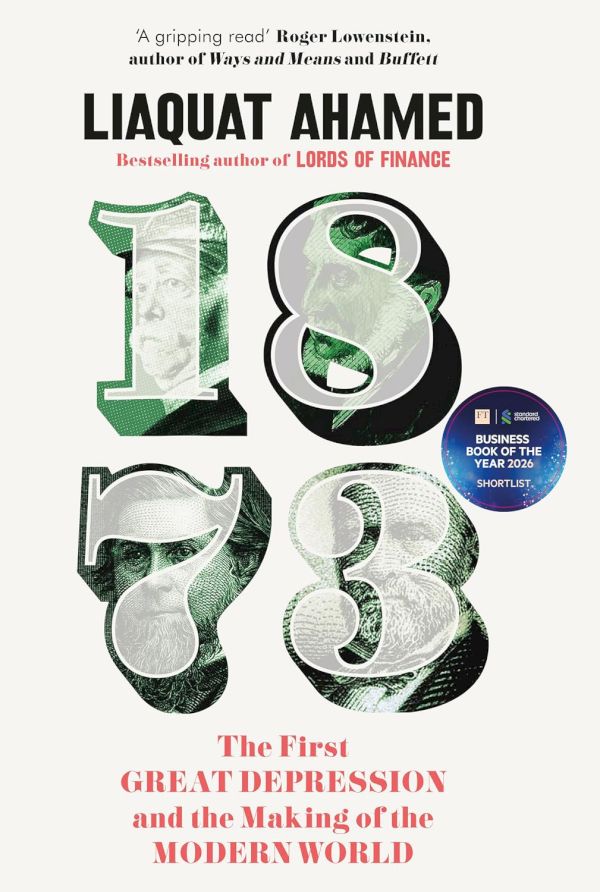
1873: The First Great Depression and the Making of the Modern World
This book is the second to be written by Liaquat Ahamed. He made his publishing debut back in 2009 with “Lords of Finance: The Bankers Who Broke the World”...
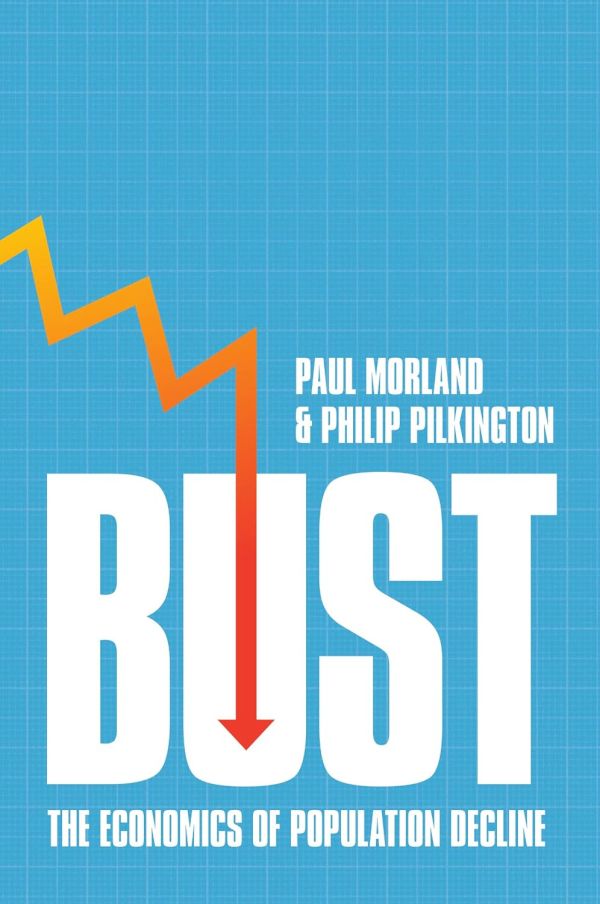
Bust: The Economics of Population Decline
This is a book that argues for a broad package of cultural and policy reforms to stave off the menace of an aging population. In that sense it might be similar...
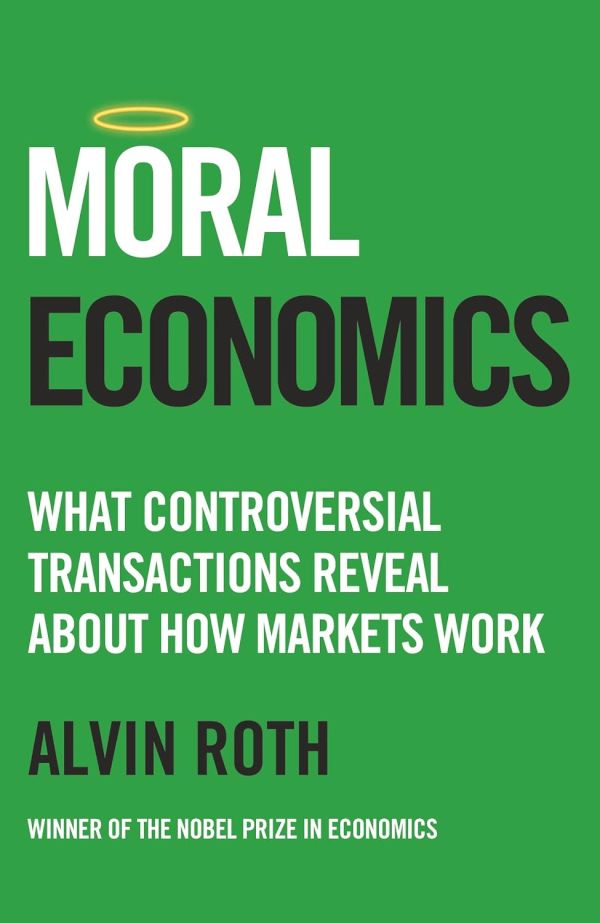
Moral Economics: What Controversial Transactions Reveal About How Markets Work
Moral Economics is an unusual book in the sense that it is a book about the things that we, collectively as a society, have decided at some point in time we do...