Originally published in 2005 in The Business Economist, volume 36, issue 1. The original publication day is unrecorded.
World Commission on the Social Dimension of Globalisation, International Labour Organisation, 2004, xvi + 168 pages, £19.95.
From The Business Economist, volume 36, issue 1 (2005).
Globalisation is a subject increasingly influencing our lives. We frequently view globalisation from the point of view of a particular interest group or from our own personal experience. This report from the World Commission on the Social Dimension of Globalisation sets out to capture the opinions of many and achieve consensus in producing recommendations to create greater opportunities within the global economy, particularly for people from within the developing world. As the authors indicate, this in itself is a challenging task and as a collective document is quite different from the alternative reports each one of them would have produced individually.
The title, A Fair Globalisation – Creating Opportunities for All, provides clear indication of the report’s objective to address the issues of inequality in the international environment. Many of the issues confronted are not new in the context of the international economy and political environment. Inequality, differing economic environments, protectionism, foreign aid and the operation of international markets have The Business Economist Vol 36 No 1 historically been the subject matter of international economics and politics. The report addresses those economic and social issues in the modern environment, highlighting issues currently associated with globalisation, with analysis and recommendations for policy makers to follow.
The report highlights the importance of communications in fostering globalisation, influencing disparities and making us more aware of the issues. It then addresses the issues associated with imbalance between countries in the international environment with strategies and support required at both national and international levels to initiate change. It recognises the need for all the players in the global economy to encourage and support social change while providing as framework for national and international institutions to follow, particularly the UN. There is no doubt this report is valuable in the national and international environment to promote awareness of the social and economic issues associated with globalisation. The effort to embrace the views of so many in its development demonstrates the challenges and opportunities facing policy makers to tackle the subject matter and achieve consensus. The report is probably of greatest interest to those specifically interested in the subject matter rather than the general reader. While the subject matter is of general interest the nature of this as a report is likely to make it less appealing for the casual reader to pick up and follow.
Mark Naylor
Archived source: 2006-05-26 website capture.
More Book Reviews
All Reviews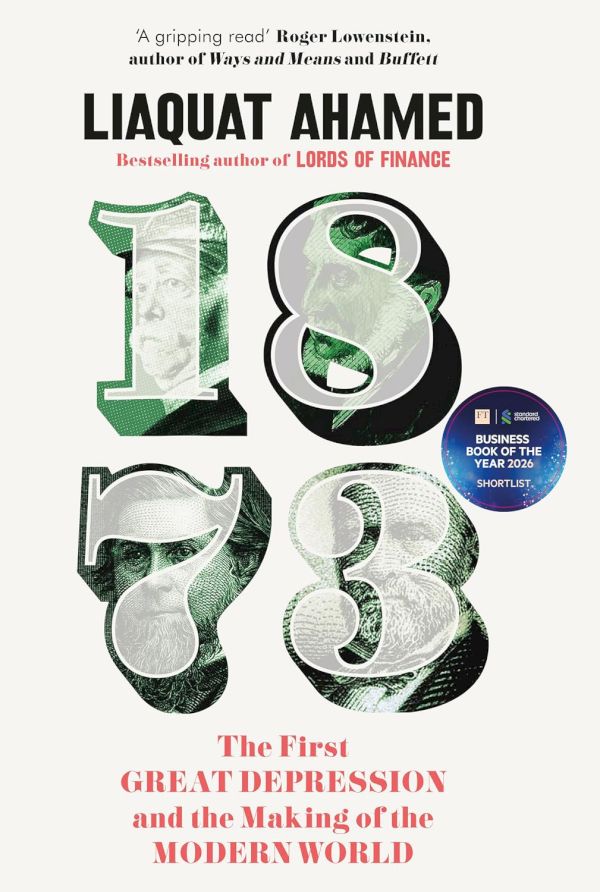
1873: The First Great Depression and the Making of the Modern World
This book is the second to be written by Liaquat Ahamed. He made his publishing debut back in 2009 with “Lords of Finance: The Bankers Who Broke the World”...
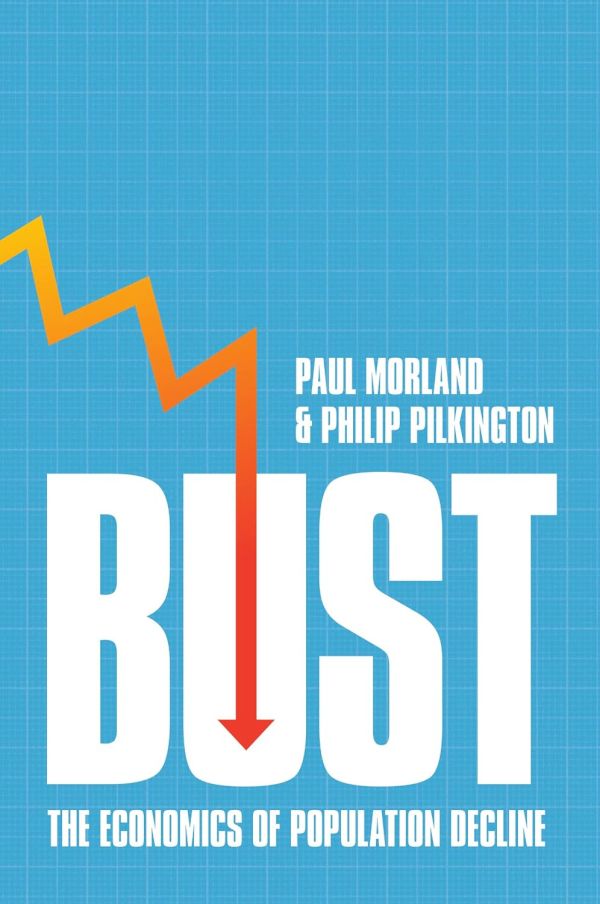
Bust: The Economics of Population Decline
This is a book that argues for a broad package of cultural and policy reforms to stave off the menace of an aging population. In that sense it might be similar...
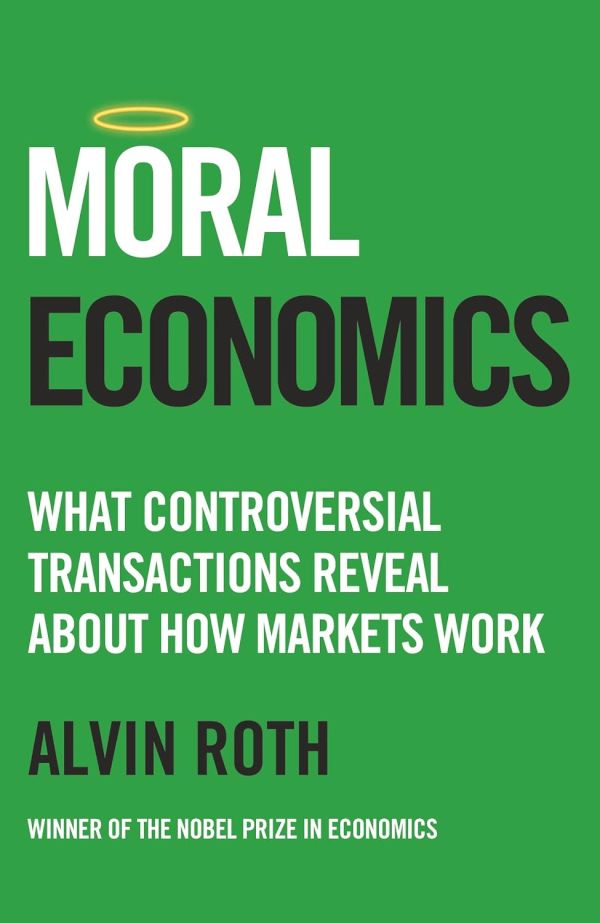
Moral Economics: What Controversial Transactions Reveal About How Markets Work
Moral Economics is an unusual book in the sense that it is a book about the things that we, collectively as a society, have decided at some point in time we do...