Originally published in 2003 in The Business Economist, volume 34, issue 2. The original publication day is unrecorded.
John Calverley, Wiley, 2003, 242 pages, £45.00.
From The Business Economist, volume 34, issue 2 (2003).
John Calverley has written a guide that explains to the novice the relationships between economics and financial markets. The book begins with a quick tour of major economic topics over ten easy-to-read chapters. This is followed by an explanation of the principal mechanics of seven major investment markets and how they relate to economic fundamentals. The summary and conclusions discuss the outlook for financial markets at the end of 2002. The book can be read from beginning to end but is also designed to be used as a reference, dipping into descriptions of the relevant markets as desired.
The preface argues that a good knowledge of fundamentals allows investors to approach any given market environment with tools that are timeless and which allow an appreciation of what is happening in a long term and cyclical framework. It also notes that understanding market fundamentals does not mean that making money is easy, but it does allow investors to recognise recurring patterns and to comprehend the risks involved. This is good advice as the book stresses many times that it is difficult to identify the position of the economy in its business cycle (the source of recurring patterns) and the uncertainty attached to the factors that enable long-run growth.
The student of financial markets will find this book useful. It is well written, concise and has numerous examples. The examples demonstrate the issues discussed earlier in each chapter and would serve as useful reminders of past events for more advanced readers. The discussion of emerging economies and investment in emerging markets is especially well done.
A possible criticism of the approach adopted is that it treats individual markets separately. As a result, interactions between different markets and the relationships between economic developments are not greatly developed. The book also fails to comment on the ways in which microeconomics can help investment decisions. However, it would have been difficult to develop these areas without complicating the discussion.
This book provides a useful primer in economics for the beginner in financial markets. The list of useful websites at the end of the book also provides a fertile source of information for those who wish to pursue the subject further, which this book should encourage the reader to do.
Ian Bright Baring Asset Management
Archived source: 2003-12-22 website capture.
More Book Reviews
All Reviews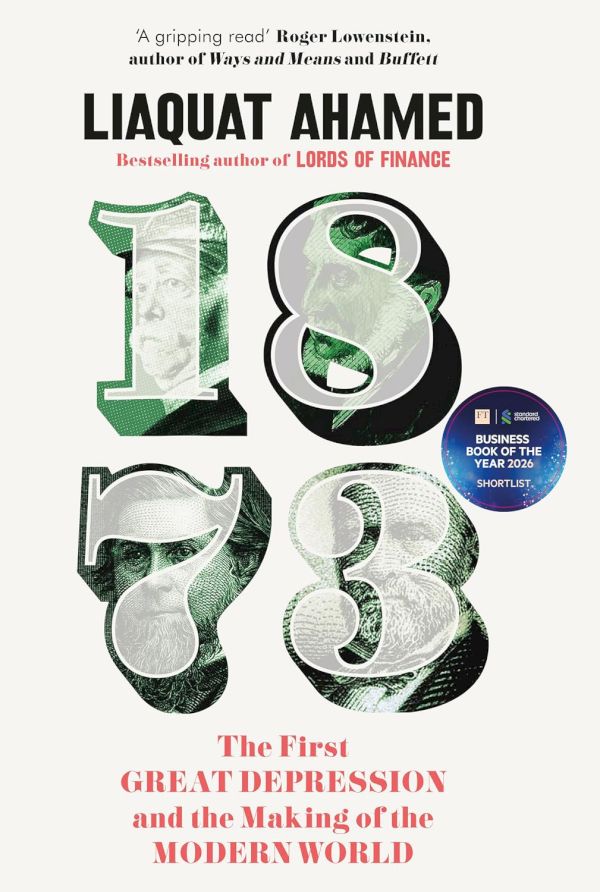
1873: The First Great Depression and the Making of the Modern World
This book is the second to be written by Liaquat Ahamed. He made his publishing debut back in 2009 with “Lords of Finance: The Bankers Who Broke the World”...

Broken China: How the Economic Miracle Shattered and What it Means for the World
China’s rise over the last several decades has been accompanied by an explosion in books seeking to explain its economy and way of doing business to...

Can we be rich again? The surprising potential of Britain’s economy
Jeremy Hunt has been culture secretary, heath minister, foreign secretary and most recently Chancellor in Rishi Sunak’s government. His stint at HM Treasury...