Originally published in 2001 in The Business Economist, volume 32, issue 1. The original publication day is unrecorded.
Peter M Garber, MIT Press, 2000, xi +163 pages, £16.50.
From The Business Economist, volume 32, issue 1 (2001).
The concept of the bubble is currently much in fashion, and this thought-provoking examination of three early bubbles – the seventeenth century Tulipmania in the Netherlands, the eighteenth century Mississippi bubble in France and its offspring, the South Sea bubble in Britain – is therefore timely.
The author, Peter Garber of Brown University, demonstrates a profound understanding of his subject. He is particularly impressive on tulipmania, exploring from original sources the pricing behaviour of the Dutch tulip market in the early seventeenth century and differentiating between the common bulbs and those rarer varieties which were capable of commanding unique prices. Each of the latter – and there were many – is analysed individually. He also examines the nascent futures market which evolved to handle the tulip trade, addressing both its imperfections and the (largely rational) attempts made by the authorities to constrain its volatility. The results of his examination are set against a background of external factors: the effect of the bubonic plague and the Thirty Years’ War on population levels; the Netherlands’ long struggle with Spain; and the country’s emergence as an urbanised society engaged in manufacture, trade and finance.
Tulipmania is clearly Garber’s speciality; his discussions of the Mississippi and South Sea bubbles are brief in comparison. The Mississippi bubble – the extraordinary attempt by a Scotsman, John Law, to restore the French economy after the Louis XIV wars by creating a government-backed private bank of issue to stimulate economic expansion through the money supply – receives most attention. Initially successful, flaws in the scheme led to its premature suspension by the Government, and widespread misery ensued. The South Sea scheme, which suffered a similar demise, is treated subordinately as ‘Law’s shadow’.
Garber’s analysis of all three phenomena is convincing, as is his conclusion that none were bubbles in the commonly understood sense of the term, since the behaviour of the investors was rational and the volatility was due to the immaturity of the financial markets and (at least in the French and British cases) to understandable but unhappy government intervention. His analysis is thorough, and he is not a little dismissive of those – some notable – who he feels have failed to exercise similar rigour in reaching conclusions other than his own. Although entertaining, this leads him occasionally to criticise unjustly. Nevertheless, he writes with admirable economy and the directness of his style helps to make this most authoritative book unusually agreeable to absorb.
Donald Anderson
Archived source: 2002-07-16 website capture.
More Book Reviews
All Reviews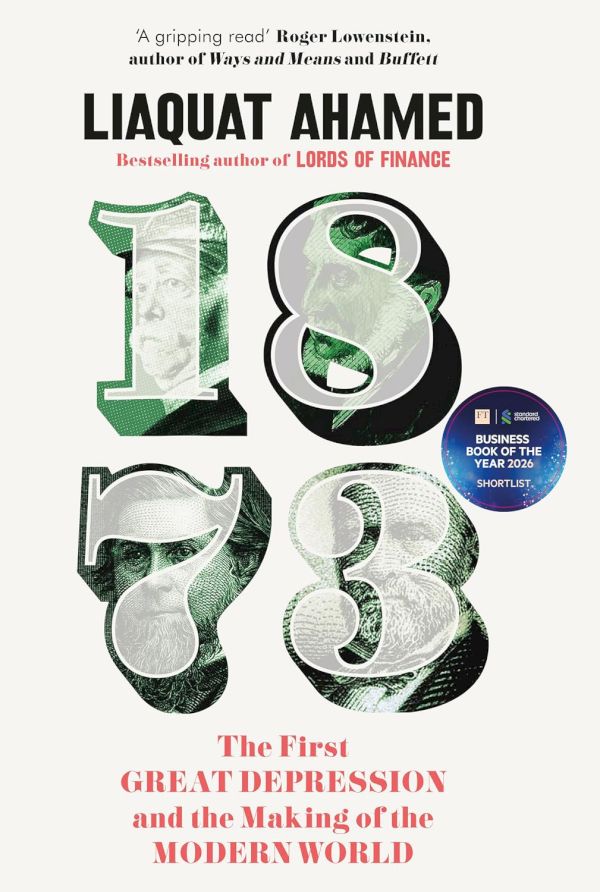
1873: The First Great Depression and the Making of the Modern World
This book is the second to be written by Liaquat Ahamed. He made his publishing debut back in 2009 with “Lords of Finance: The Bankers Who Broke the World”...

Broken China: How the Economic Miracle Shattered and What it Means for the World
China’s rise over the last several decades has been accompanied by an explosion in books seeking to explain its economy and way of doing business to...
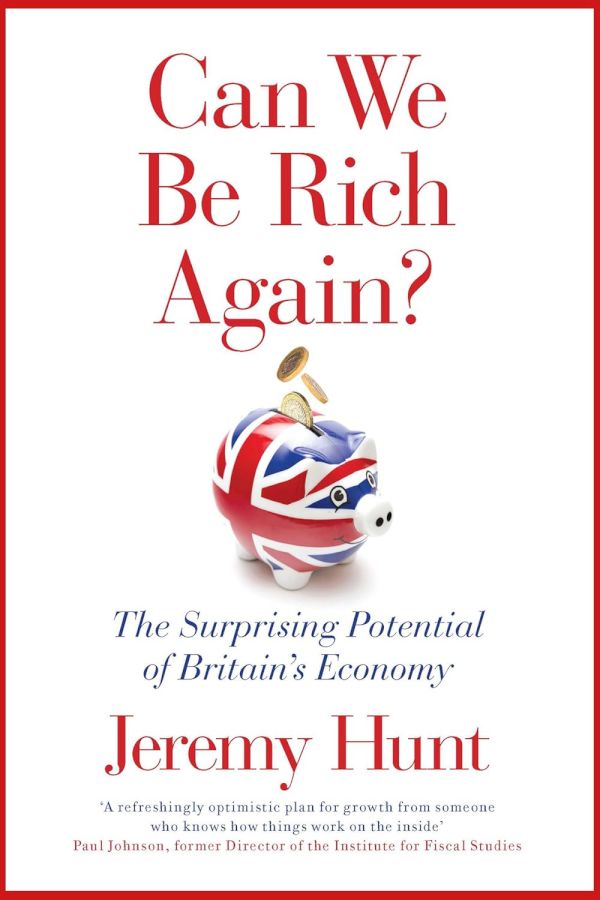
Can we be rich again? The surprising potential of Britain’s economy
Jeremy Hunt has been culture secretary, heath minister, foreign secretary and most recently Chancellor in Rishi Sunak’s government. His stint at HM Treasury...