Originally published in 2003 in The Business Economist, volume 34, issue 3. The original publication day is unrecorded.
Jim Hirst, (Ed), Profile Books, 2003, 212 pages, £12.99.
From The Business Economist, volume 34, issue 3 (2003).
Anniversaries can easily prompt self-congratulation. So it is welcome that this stimulating golden jubilee festschrift for the SBE should include Samuel Brittan’s observation that the UK’s growth performance has been little affected by “the huffing and puffing of governments” (and presumably the economists who advised them) over the past half century.
If 50 years of ‘business economics’ have achieved anything, it should surely have meant that businesspeople understand economists better and economists understand businesspeople better. If so, one might hope that some of this mutually beneficial intellectual trade should have rubbed off on government and produced policies more conducive to wealth creation.
Yet, as Neil Blake points out, trend growth in GDP per head has been stuck at a little over 2 per cent a year for most of the period.
Some of this may be down to the eternal struggle to manage the macroeconomy successfully, described by Charles Goodhart and Richard Holt. Many regimes have been tried and found wanting; even now, asset price gyrations challenge the current inflation targeting paradigm for monetary policy and - alas too late for this book - the government has canvassed a return to 1960s-style fiscal activism if Britain joins the euro.
A more damning indictment, though is John Kay’s conviction that “recent work by economists has made very little impact on business”, even though they have played a greater role in firms’ strategic planning.
Kay in part blames the belief among many mainstream economists that economic rents are usually evidence of monopoly and a bad thing, rather than a reflection of capabilities that give firms competitive advantage. Colin Robinson makes a somewhat similar point, distinguishing economists who worry about departures from perfect competition from the Austrian School who see competition as a dynamic process in which firms are constantly driven to seek surpluses by the profit motive.
Kay notes that even business strategists get stuck in the economists’ public policy mindset. He notes that Michael Porter’s Competitive Strategy does not include ‘profit’ in the index. But then neither does The Challenge of Change, or only in the modish form: ‘profits, social responsibility’! There is clearly a role for the SBE in continuing to try to bridge the economics/business divide in the years to come.
For all the doubts one might have about the contribution of ‘business economics’ as a subject, this is a good read bringing together varied essays from a number of distinguished contributors. As with guests around a dinner table, to have 13 could be said to be unlucky. If another had been invited to make up the numbers, it would have been nice to read an account of the various ways in which governments have tried to use the tax system to influence business behaviour.
Robert Chote The Institute for Fiscal Studies
Archived source: 2004-02-23 website capture.
More Book Reviews
All Reviews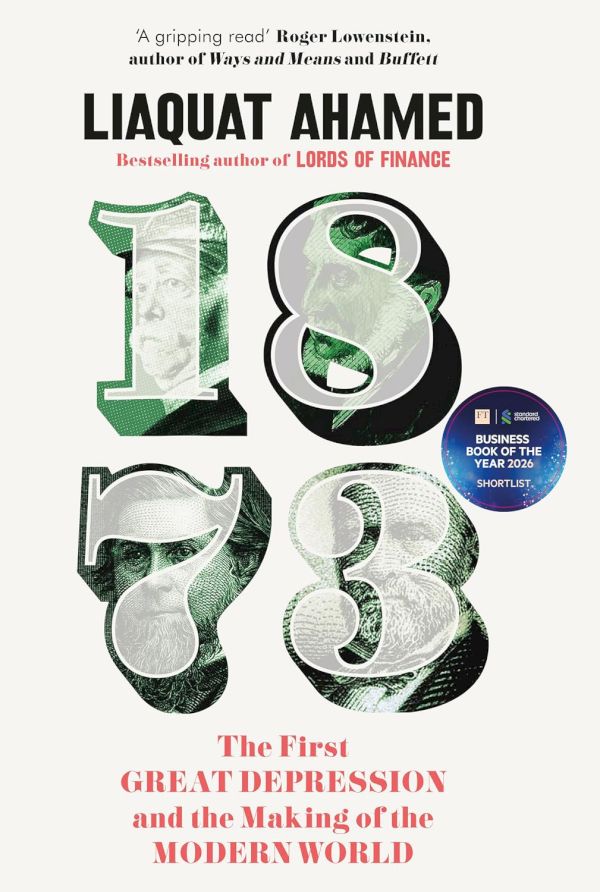
1873: The First Great Depression and the Making of the Modern World
This book is the second to be written by Liaquat Ahamed. He made his publishing debut back in 2009 with “Lords of Finance: The Bankers Who Broke the World”...
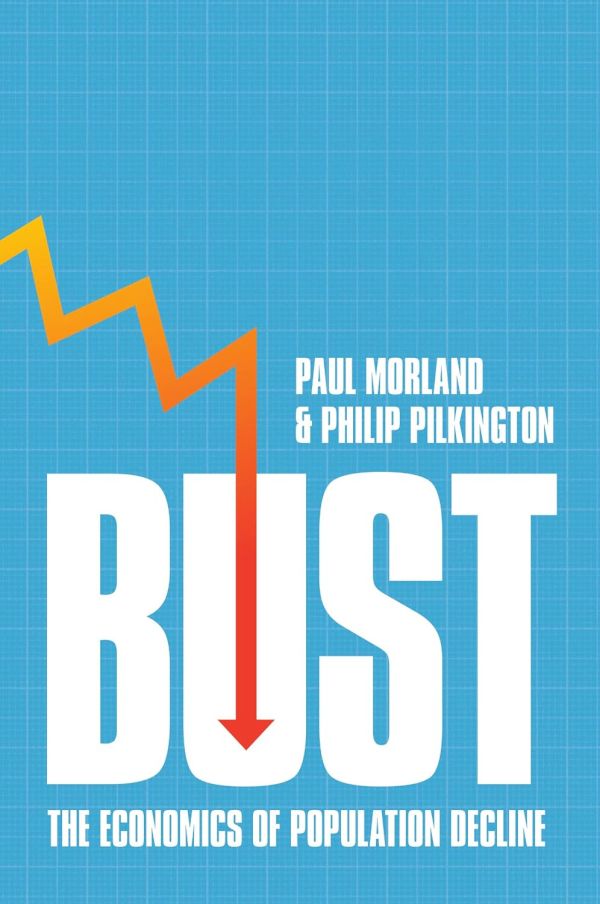
Bust: The Economics of Population Decline
This is a book that argues for a broad package of cultural and policy reforms to stave off the menace of an aging population. In that sense it might be similar...
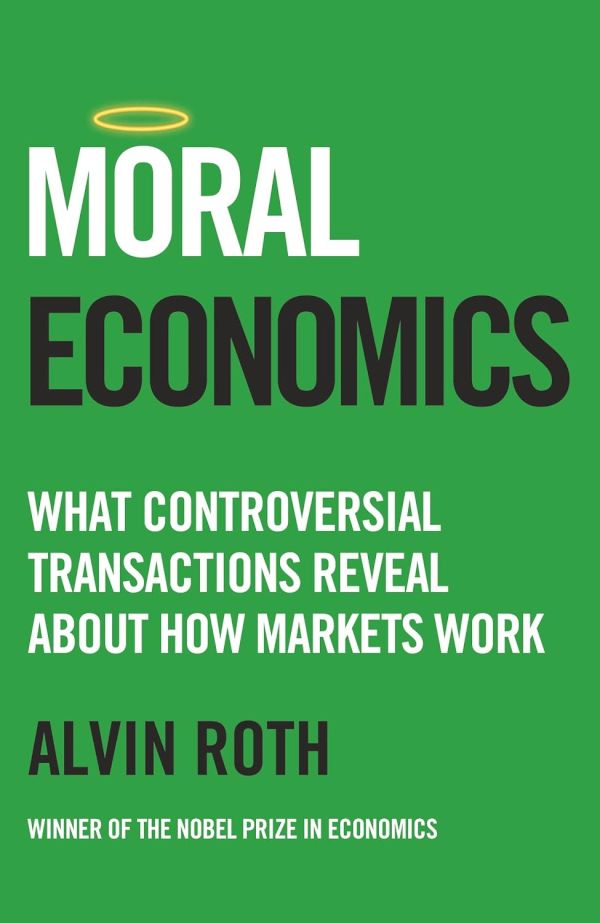
Moral Economics: What Controversial Transactions Reveal About How Markets Work
Moral Economics is an unusual book in the sense that it is a book about the things that we, collectively as a society, have decided at some point in time we do...