Originally published in 2003 in The Business Economist, volume 34, issue 2. The original publication day is unrecorded.
Charles Wheelan, W W Norton, 2002, xxi + 260 pages, £20.95.
From The Business Economist, volume 34, issue 2 (2003).
A book that is not supposed to be a textbook, but includes an index and a bibliography, is always slightly unnerving. Still, Charles Wheelan’s Naked Economics successfully lives up to the claim that it “demystifies key concepts” and is “an economics book that won’t put you to sleep…” He uses examples from his own experience (working at The Economist, but also in less economically-friendly environments) to show how economists look at the world, and the result is highly readable.
Wheelan concentrates on explaining the behaviour of individuals and firms, and analyzing the role of governments and markets. True to his stated intention, he never takes refuge in technical jargon. The concepts of utility and profit maximisation, for example, are tackled with a remarkable clarity; the author is a master of the classic explain-byexample technique of The Economist.
Throughout the book, it is abundantly clear that Wheelan is a firm believer in the virtues of the free market. However, there is no sense of unreasoned bias in his approach, and the reader will feel far more inclined to surrender to the intelligent, humorous style than to quibble over details. Indeed, once one reads how the allocation of resources to their most productive use explains why Tom Cruise makes movies rather than sells insurance, it’s impossible not to feel that economics is too often over complicated (and that it’s a shame Tom Cruise doesn’t sell insurance).
The section on government deals, most effectively, with the problem of inefficiency in the non-market sector, and the concept of externalities. This part of the book is particularly richly peppered with humour, as the author explores the unintended, and even bizarre, consequences of government intervention. He does, however, resist the temptation to score too many easy laughs at the expense of bemused policy-makers.
Overall, therefore, this is a well-balanced taste of economics. Just occasionally, the author’s determined demystification works against him. He is sometimes so successful in reducing economics to simplicity that his conclusions seem almost banal, leaving the reader wondering what all the fuss was about. So this is a book that will occasionally make the professional economist scowl, but should more often provoke a smile, coupled with an admiration for plain speaking in place of dismal science. Sometimes economists, like emperors, need to be told when they aren’t wearing any clothes.
James Harvey and Sam Williams Frontier Economics
Archived source: 2003-12-22 website capture.
More Book Reviews
All Reviews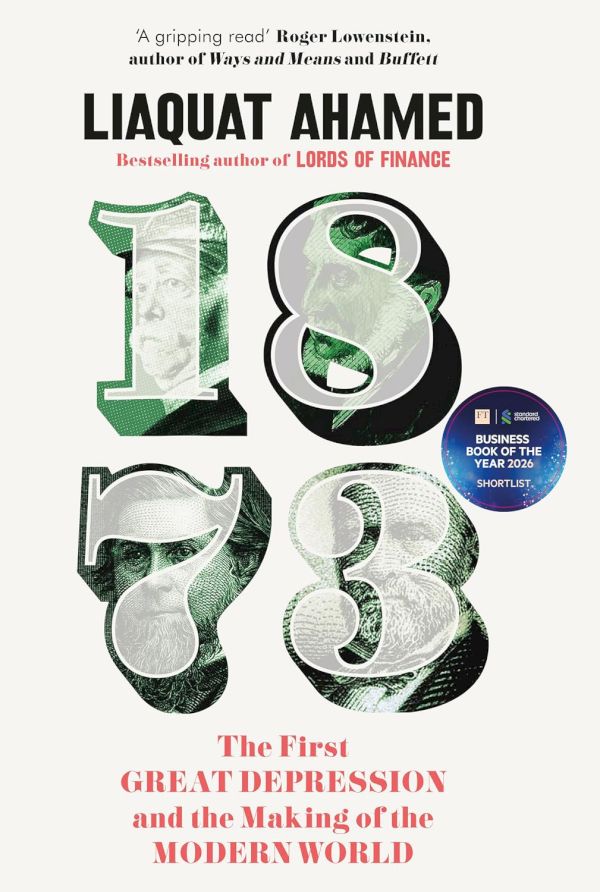
1873: The First Great Depression and the Making of the Modern World
This book is the second to be written by Liaquat Ahamed. He made his publishing debut back in 2009 with “Lords of Finance: The Bankers Who Broke the World”...
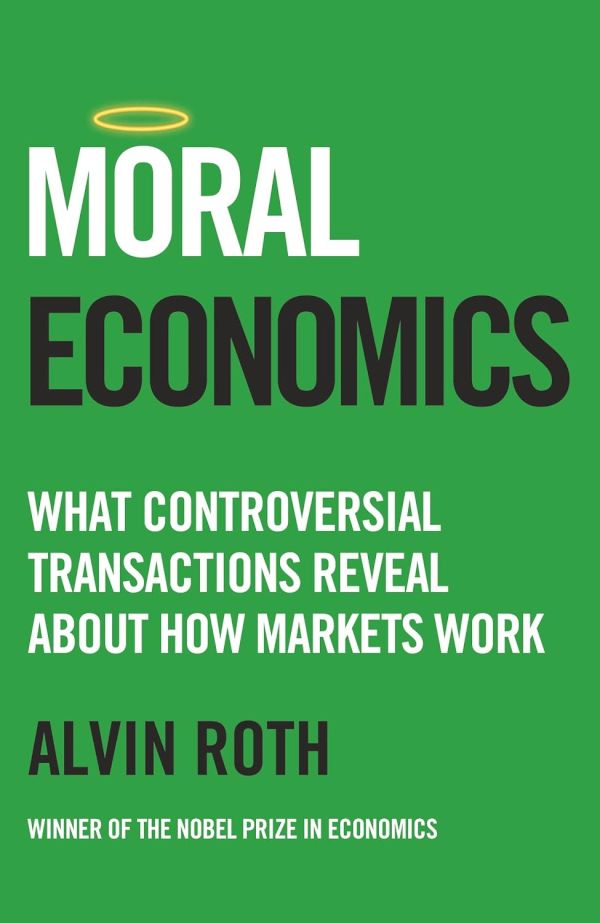
Moral Economics: What Controversial Transactions Reveal About How Markets Work
Moral Economics is an unusual book in the sense that it is a book about the things that we, collectively as a society, have decided at some point in time we do...
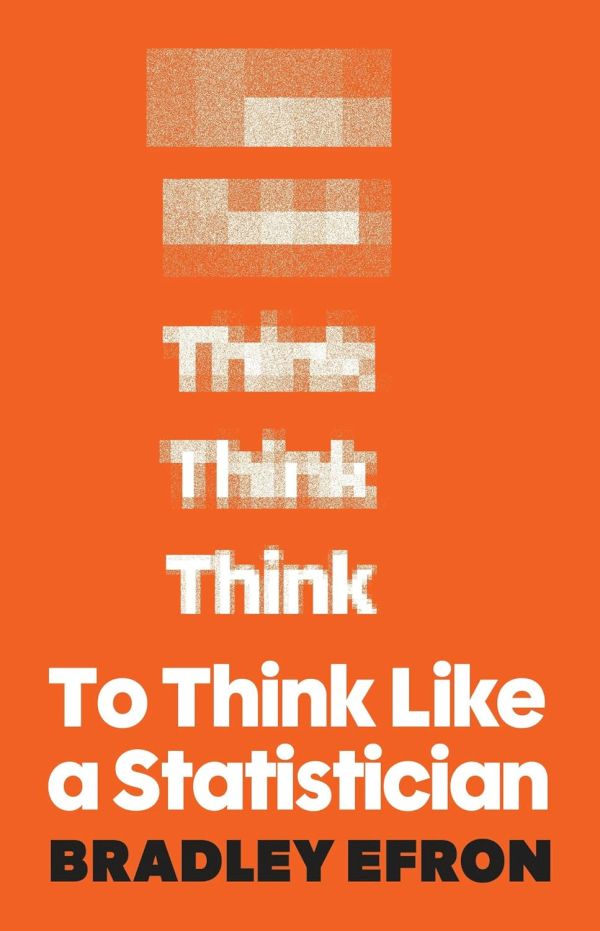
To Think Like a Statistician
Statistics professor Susan Holmes said that statistics is like Poland, perpetually surrounded by powerful neighbours — probability, mathematics, applied...