Originally published in 2002 in The Business Economist, volume 33, issue 1. The original publication day is unrecorded.
John Grieve Smith, Anthem Press, 2001, 140 pages, £12.95.
From The Business Economist, volume 33, issue 1 (2002).
John Grieve Smith is the latest in a long line of Cambridge economists to rail at what he describes as the neo-liberal economic consensus or New Orthodoxy. The book is ambitious in scope, ranging from economic policy, the welfare state, the future of the EU to the global financial system. In each case, the author finds fault with the way that he sees the economic consensus taking over policy both in the Anglo-Saxon economies but also increasingly in mainland Europe, concluding the book by setting out a new economic agenda. He also offers an historical perspective, taking in subjects such as Beveridge and the construction of the welfare state, demand management and full employment policy in the immediate post-war quarter century, Bretton Woods and the experiment with worker directors in the seventies.
Many will find aspects of his analysis convincing. For example, the correlation between the adoption of liberal economic policies and the rise in inequality is now widely accepted. Similarly, the move towards means testing and the associated problems such as the stigmatisation of claimants and unfair treatment of those with savings concerns many people. He will also find a sympathetic audience with his criticisms of the complacency regarding the global financial system, once the Asian crisis had abated. Many of his concerns with the current arrangements for economic and monetary union, particularly the Growth and Stability Pact, are both topical and well focused.
Despite that, there is something not wholly convincing about aspects of the analysis regarding the last two decades and the prescriptions for the future. For example, the assertion that unemployment has been kept high deliberately as some form of reserve army of labour to suppress inflation is too simplistic. It ignores the fact that inflation springs from many courses and that the eighties was a period of both high unemployment and rapidly rising earnings. The author’s preference for the use of Keynesian demand management over monetary policy targeted at inflation also ignores the success of the US and the UK in rapidly reducing interest rates to avert recession and the failure of fiscal boosts to work in Japan. His observation about the ‘Dutch auction’ to lower taxation is similarly overtaken by events, given the increasingly contrasting positions taken by Labour and the Conservatives over the future funding of the NHS.
There is also little about how the onset of globalisation and the introduction of new technology might have affected economic outcomes such as the contrasting fortunes of different groups of worker. In this respect, little is said about how to create job opportunities for those who have lost out, such as manual workers, and what policies might be put in place to revive manufacturing.
Overall, the book provides a reasonably readable account of some of the problems associated with free market approaches to economic policy but it fails to provide a convincing alternative.
Stephen Radley
Archived source: 2002-05-09 website capture.
More Book Reviews
All Reviews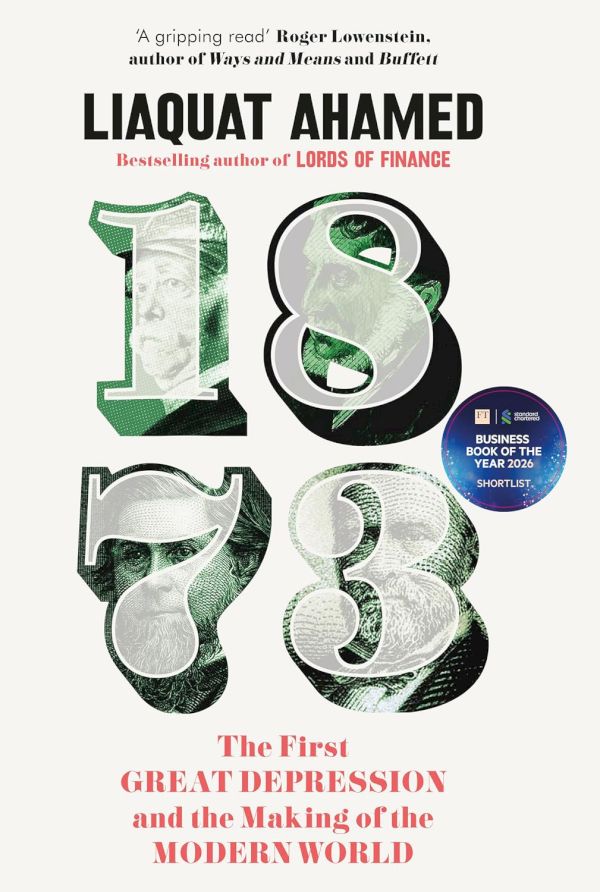
1873: The First Great Depression and the Making of the Modern World
This book is the second to be written by Liaquat Ahamed. He made his publishing debut back in 2009 with “Lords of Finance: The Bankers Who Broke the World”...
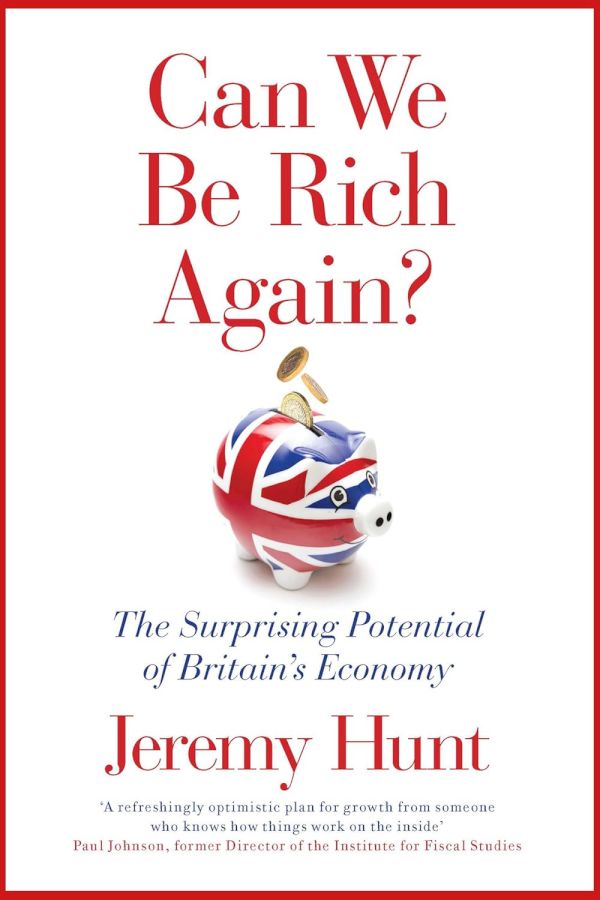
Can we be rich again? The surprising potential of Britain’s economy
Jeremy Hunt has been culture secretary, heath minister, foreign secretary and most recently Chancellor in Rishi Sunak’s government. His stint at HM Treasury...
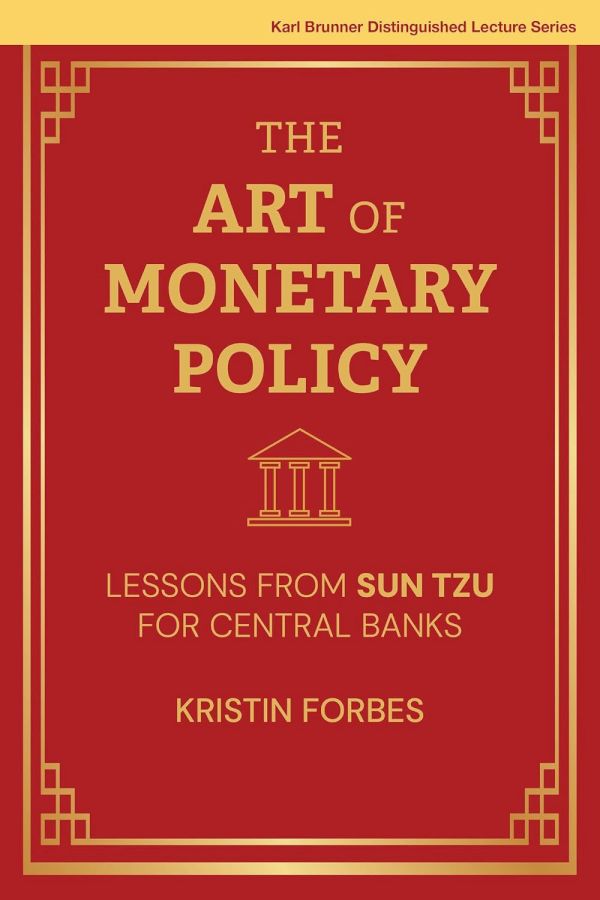
The Art of Monetary Policy: Lessons from Sun Tzu for Central Banks
This (very short) book extends a lecture given by Forbes, in which she draws on the work of the Chinese philosopher Sun Tzu from the fifth century BC. Sun...