Originally published in 2005 in The Business Economist, volume 36, issue 2. The original publication day is unrecorded.
Statistics Commission, 2005, 58 pages, Unpriced.
From The Business Economist, volume 36, issue 2 (2005).
Four years of experience have led the Commission to deduce that “trust, public confidence in official statistics is essential for the effective working of the state and the effective delivery of public services.” Consequently, in considering how to address this, the Commission and the Office for National Statistics have initiated an ongoing programme of research to test and measure this.
ONS has been concentrating initially on assessing the views of the general public from a quantified survey, focus groups and comparable research in other countries; its first report from an Omnibus Survey, Initial Findings on Public Confidence in Official Statistics, ONS, October 2004, is available at www.statistics.gov.uk/about/data/public_confidence.asp
Its conclusions are that public trust is low.
The Commission has concentrated on the perceptions of individuals who help the public develop these views. This report, based on interviews with 36 named individuals – journalists, academics, parliamentarians, regulators and others (two are SBE members), commissioned from MORI, is the result of this enquiry.
The main messages which emerged were that:
The quality of UK official statistics was up with the best in the world, though there was scope for improvement,
There needed to be greater distance between producers of statistics and government, possibly with an independent regulatory body to monitor the use of official statistics,
Greater emphasis on performance indicators and targets has meant that official statistics are perceived as sometimes being pushed too far, beyond what they are capable of measuring,
There is a need for a greater range of comparable statistics for the four countries of the UK [Amen to that],
Government statisticians could improve their communication with users. The media could also play a more constructive part in interpreting data.
The report emphasises several points: Statistics are not ‘facts; they are often not as timely as users want; their production involves the main government departments; they are not collected simply to paint a background picture for policy-makers and the government; and (last but not least) they are always likely to be used in a political way by politicians.
Statistics users like us should be grateful that such work is at last being done and published for all to see. Although the sample size was small, and the interviews were probing discussions rather than formal questionnaires, the resulting material is richer. The Commission’s conclusions are of the ‘mothers and apple-pie’ type, but none the worse for that. The report (and others) are available, like all else that the Commission offers – minutes of meetings and correspondence – at the touch of a button at www.statscom.org.uk.
Archived source: 2006-05-26 website capture.
More Book Reviews
All Reviews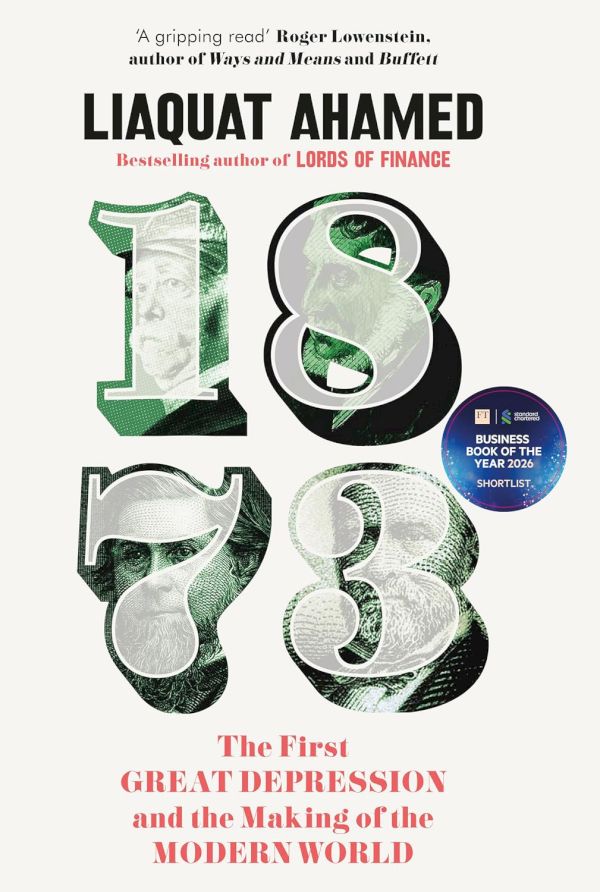
1873: The First Great Depression and the Making of the Modern World
This book is the second to be written by Liaquat Ahamed. He made his publishing debut back in 2009 with “Lords of Finance: The Bankers Who Broke the World”...
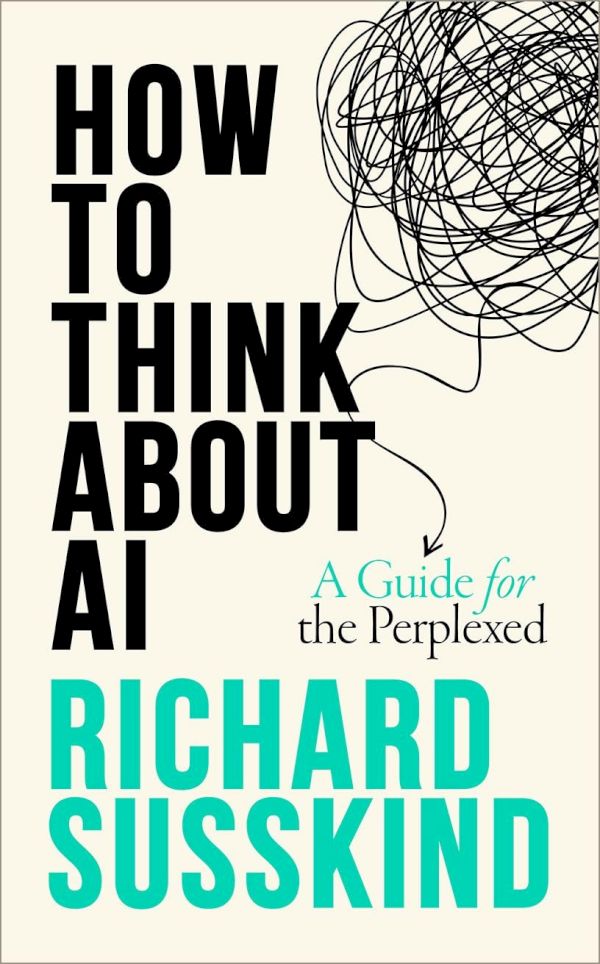
How To Think About AI: A Guide for the Perplexed
Richard Susskind’s ‘How to Think About AI: A Guide for the Perplexed’ offers a clear and thoughtful introduction to an inherently complex and...

How to Invest: Navigating the Brave New World of Personal Investment
This book provides a lively summary of the latest research into how to invest in an uncertain world, infused with the extensive hands-on experience of the...