Originally published in 2002 in The Business Economist, volume 33, issue 2. The original publication day is unrecorded.
Kate Galbraith (ed), Profile Books, 2002, 324 pages, £20.00.
From The Business Economist, volume 33, issue 2 (2002).
The typical article in The Economist has two parts, so the joke goes. Part One: ‘Einstein said this’. Part Two: ‘What an idiot he was.’
I picked up this collection of articles expecting to find the two-part formula wearing thin, but was pleasantly surprised by the best survey yet in a very crowded field.
Globalisation has three high spots. First there’s Clive Crook’s defence of globalisation. It’s a masterclass in rhetoric, which moves effortlessly across the range of the debate: inequality, the power of big business, global institutions, and national politics. Crook blends theory (always nattily explained) with evidence (chosen well, but not too selectively). Although this is a one-sided contribution to the discussion, it is excellent.
Chapter two is ‘Popular Myths and Economic Facts’, an imaginative and compact survey of different facets of globalisation, from migration to transport, media to foreign direct investment. The only pity is that the statistics, almost five years old, have not been updated.
The third outstanding contribution is Robert Wade’s invited piece on inequality. Here Wade uses The Economist’s techniques: a thoughtful laying out of the evidence, followed by a clear and bold policy recommendation. But he argues for a position that The Economist would not normally take, which is that inequality probably is increasing, and this is a problem even if the poor are getting richer.
The rest of the book has some impressive elements but is less than the sum of its parts. There’s a survey on taxation, one on equity markets, one on international financial architecture, and some thought-provoking stuff on the uses of technology. There are some nice short articles on how different industries (wine, oil, retail, law) have been wrestling with globalisation. They’ll appeal to different interests, and invariably contain some gems. But they are not always watertight.
For instance, the survey on equity markets is informative about the facts, but unpersuasive about their implications – the ‘moral hazard’ argument against banks presents all of the costs but does not consider the benefits. Market economies are built on risk-sharing institutions: limited liability companies such as The Economist Newspaper Ltd. are cases in point. Moral hazard is no knock-down argument against them.
Another relative weakness in the book is a lack of treatment of environmental issues. Skeptical Environmentalist author Bjørn Lomborg writes a persuasive account of one side of the story, but it might have been more persuasive yet if one of his opponents had been given an opportunity to reply.
We are still waiting for the definitive book on globalisation: thoughtful, wide-ranging, stylishly written and properly structured. This book has the first three qualities in spades – good enough to stand out from the rest of the field.
Tim Harford Shell International
Archived source: 2002-08-30 website capture.
More Book Reviews
All Reviews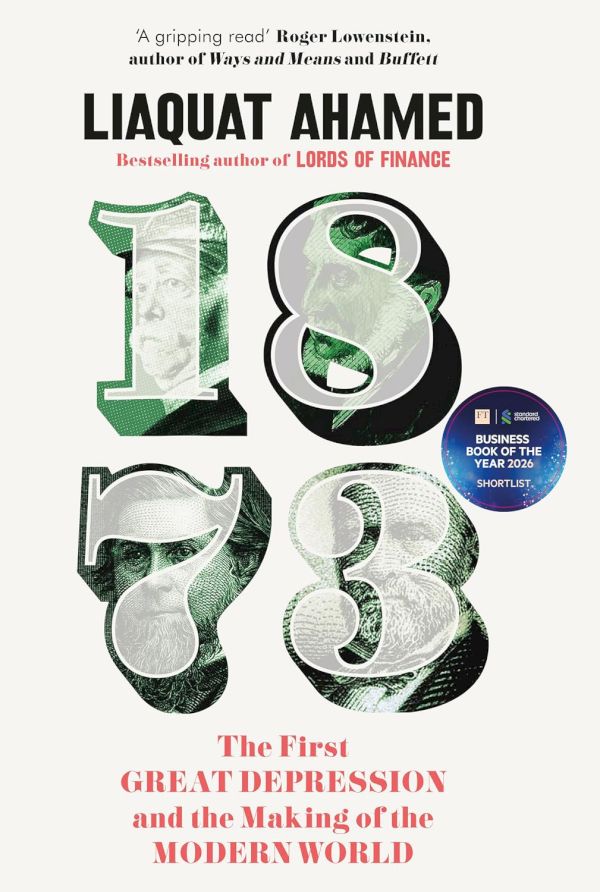
1873: The First Great Depression and the Making of the Modern World
This book is the second to be written by Liaquat Ahamed. He made his publishing debut back in 2009 with “Lords of Finance: The Bankers Who Broke the World”...
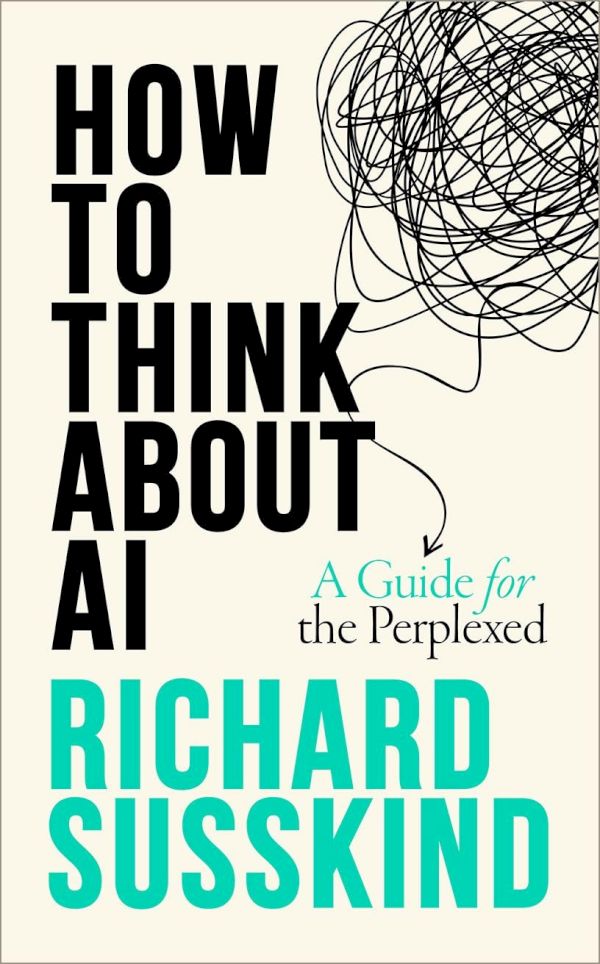
How To Think About AI: A Guide for the Perplexed
Richard Susskind’s ‘How to Think About AI: A Guide for the Perplexed’ offers a clear and thoughtful introduction to an inherently complex and...

How to Invest: Navigating the Brave New World of Personal Investment
This book provides a lively summary of the latest research into how to invest in an uncertain world, infused with the extensive hands-on experience of the...