Originally published in 2004 in The Business Economist, volume 35, issue 2. The original publication day is unrecorded.
Stefano Scarpetta et al, OECD, 2003, 248 pages, £26.00.
From The Business Economist, volume 35, issue 2 (2004).
The OECD has been with us for over forty years. Starting with twenty member countries, it has gradually expanded to thirty. In addition to regular studies of individual countries and general reports on the Economic Outlook and Employment Outlook, it is well to remind ourselves of its objectives. These include: “the promotion of policies to achieve the highest sustainable economic growth and employment and a rising standard of living in member countries, while maintaining financial stability and thus to contribute to the world economy; to contribute to sound economic expansion in member as well as non-member countries in the process of economic development; and to contribute to the expansion of world trade on a multilateral, non-discriminatory basis in accordance with international obligations.”
Periodically OECD publishes reports of a more general and wide-ranging nature and this is one such, based on major research effort. It is arranged in a summary and policy conclusions, four chapters and five annexes: 1. Economic growth, the aggregate evidence; 2. Policy settings, institutions and aggregate economic growth, a cross-country analysis; 3. What drives productivity growth at the industry level? and; 4. Firm dynamics, productivity and policy settings.
A puzzle about growth has always been that when it is too fast, sometimes colloquially described as ‘overheating’, it has to be curbed; hence the emphasis on ‘sustainable’ growth.
With the exception of the summary and policy conclusions, the target audience seems largely econometricians, rather than policymakers. By the time one has reached chapters 3 and 4, with their promise of drilling into bedrock at the industry and firm levels, which after all are where productivity is ultimately tackled, it was disappointing that data analysis yielded results which merged industries across countries or broad sectors. Discussion of the New Economy leads to a conclusion that it is in part “an old story” and that it has “also served to remind us how difficult it is to evaluate growth when new technologies are being rapidly developed and implemented, accompanied by swings of optimism and pessimism about the economic value of these advances.” The “messages on how policymakers can help growth are perhaps not completely new but the evidence in this volume gives us reason to believe they should be made more forcefully so as to encourage a thorough assessment of institutions and structural policies in the OECD countries.” Quite.
Archived source: 2004-12-15 website capture.
More Book Reviews
All Reviews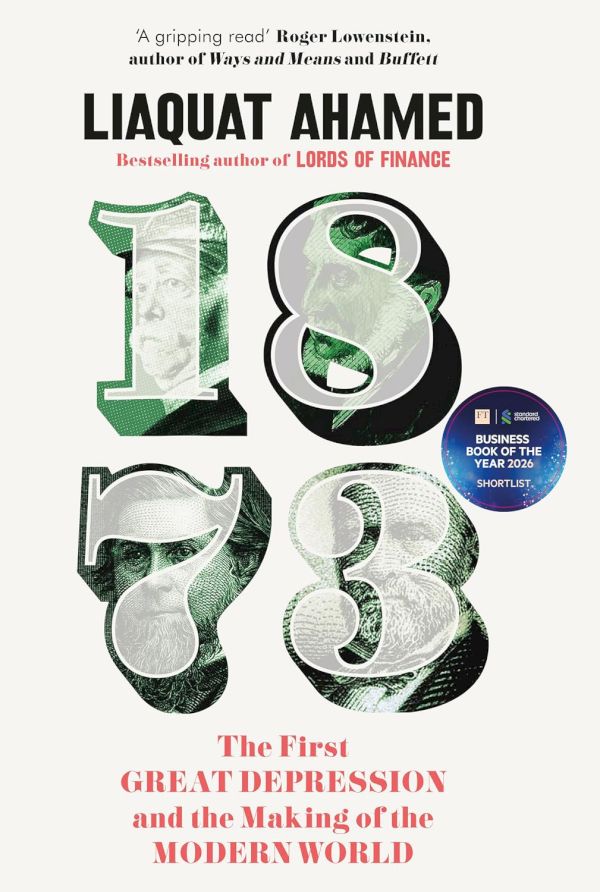
1873: The First Great Depression and the Making of the Modern World
This book is the second to be written by Liaquat Ahamed. He made his publishing debut back in 2009 with “Lords of Finance: The Bankers Who Broke the World”...
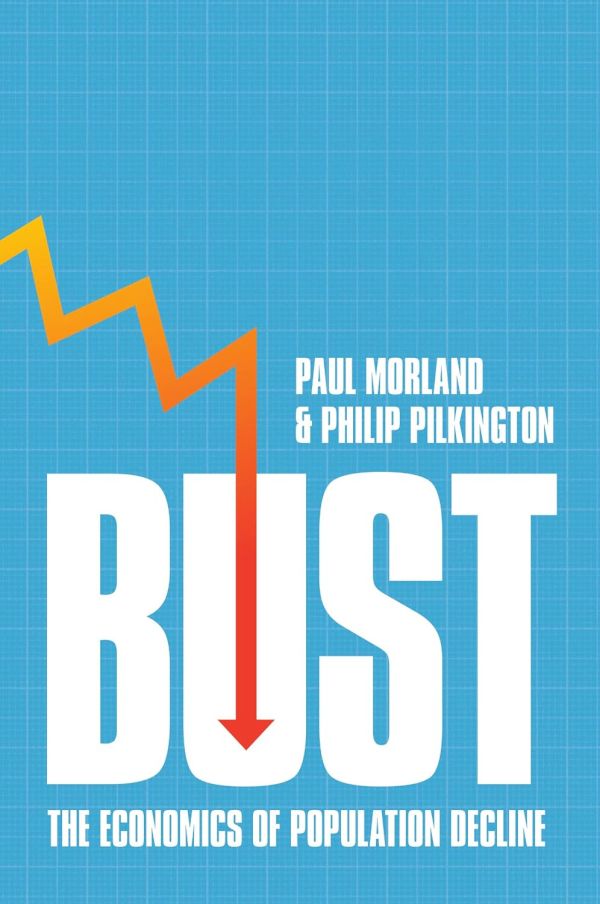
Bust: The Economics of Population Decline
This is a book that argues for a broad package of cultural and policy reforms to stave off the menace of an aging population. In that sense it might be similar...
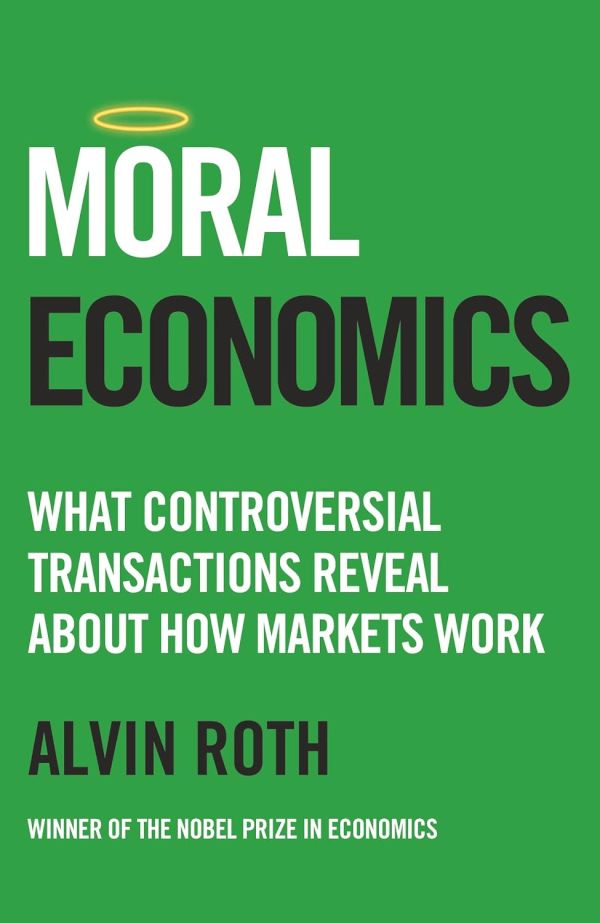
Moral Economics: What Controversial Transactions Reveal About How Markets Work
Moral Economics is an unusual book in the sense that it is a book about the things that we, collectively as a society, have decided at some point in time we do...