Originally published in 2003 in The Business Economist, volume 34, issue 2. The original publication day is unrecorded.
Dimitris N Chorafas, Palgrave Macmillan, 2003, xii + 260 pages, £55.00.
From The Business Economist, volume 34, issue 2 (2003).
The inspiration for this book came when a well-known bank offered the author an alternative investment opportunity, with the assurance that “there is no risk”. Instead of taking up the offer Mr Chorafas resolved to set about uncovering the hidden risks. The bank had offered the opportunity to the wrong person.
The author uses the term ‘alternative investments’ to mean investments which are an alternative to the traditional investment strategy of aiming to buy a security when it is cheap and sell when it is dear. Alternative investments are viewed as using a range of strategies to earn a profit in all kinds of market conditions, particularly by going short as well as long. Under this heading the author places single hedge funds, fund of funds, and special alternative investment vehicles (SAIVs).
Overall the book offers a timely analysis of some of the dangers posed by the proliferation of hedge funds, and joins the debate between such as Warren Buffett, who views derivatives as potential ‘weapons of mass destruction’ and Alan Greenspan, who sees hedge funds as a benign influence adding to liquidity. This is a live topic. The author points to a conference in London in 2002 where 64% of pension fund managers believed that hedge funds could help reduce portfolio risk.
Chorafas’s main concerns are hedge funds’ secrecy, lack of liquidity, and above all, gearing. These concerns are highlighted in many places in the book. A telling statistic is that it is estimated that around $500 billion is invested in the industry, but allowing for average gearing of 40-50 times the total gross exposure is about the same size as the US equity market.
The author is partisan, but excuses this by saying that when he started researching the subject he found 17 books on the subject, all strongly in favour of alternative investments. No apology is therefore made for being the one negative voice out of 18.
The book draws together a variety of statistics, and makes a number of telling points about the risks investors are perhaps unwittingly taking. Concepts are explained in layman’s terms, and the book is of readable length. There are sections on risks, the language of sales pitches, macro strategies, case studies of the Quantum & Tiger funds, and comments on how alternative investments should fit into the global financial structure. Last of all, readers will benefit from the tale of the dead mule and the old country farmer!
Bill Harer Canada Life Ltd
Archived source: 2003-12-22 website capture.
More Book Reviews
All Reviews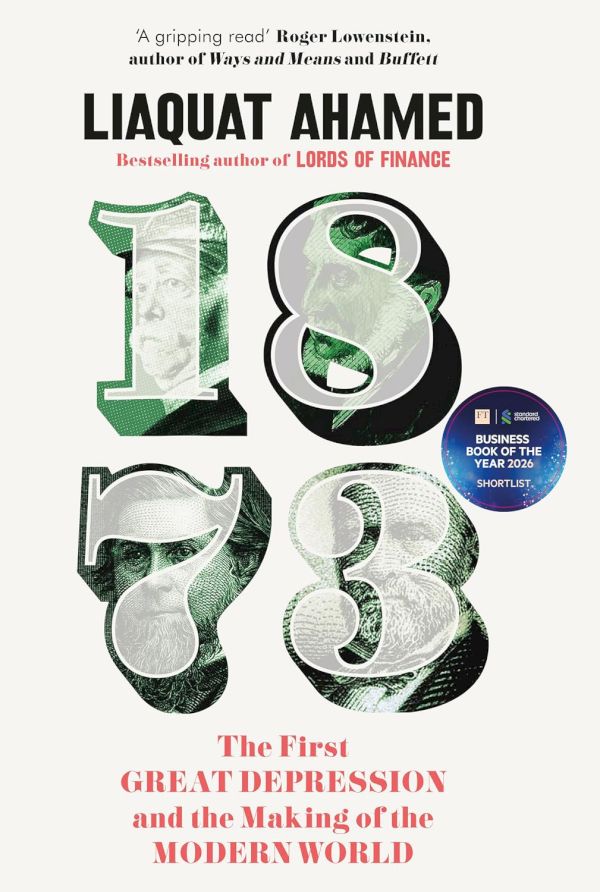
1873: The First Great Depression and the Making of the Modern World
This book is the second to be written by Liaquat Ahamed. He made his publishing debut back in 2009 with “Lords of Finance: The Bankers Who Broke the World”...

Contingent Expectations
Nearly all important economic decisions depend in some degree on expectations, as opposed to established facts. At the beginning of their new book, Alexander...
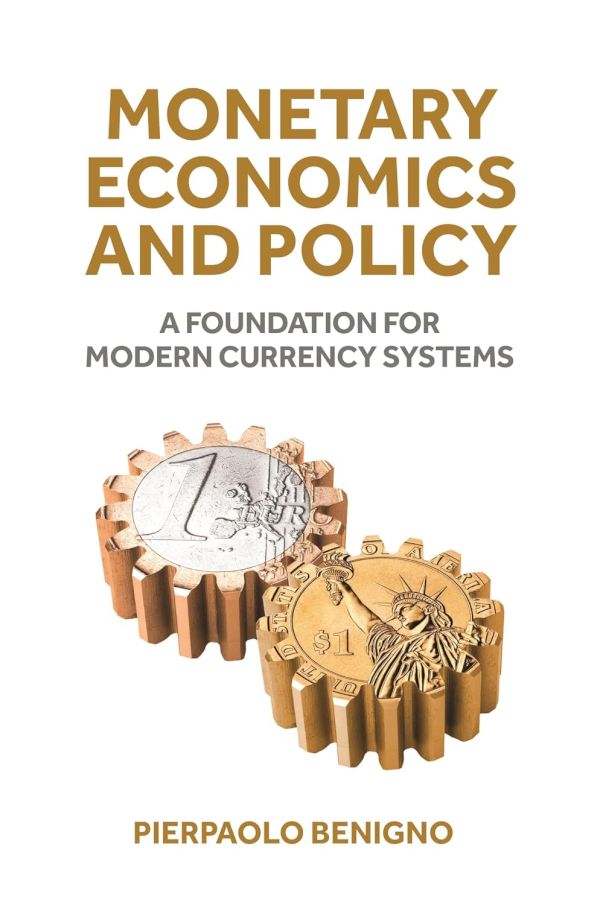
Monetary Economics and Policy: A Foundation for Modern Currency Systems
I enjoyed reading this book. It covers a wide surface area of monetary economics, and I think it will be useful for people studying the subject. It is...