Originally published in 2004 in The Business Economist, volume 35, issue 1. The original publication day is unrecorded.
John H Dunning, ed, Oxford University Press, 2003, 385 pages, £25.00.
From The Business Economist, volume 35, issue 1 (2004).
Confrontations between protestors and participants at big international conferences over the last few years have often resembled dialogues of the deaf, where the two sides are arguing from entirely different perspectives. The participants at these conferences are generally concerned with how to make capitalism work better – by liberalising trade flows, investment regimes and labour markets – while the protestors aim is to make capitalism work differently – by regulating markets, setting new standards of corporate behaviour, and questioning the legitimacy of having capitalist markets in some areas of the economy altogether.
This book attempts to straddle that divide, by looking at how moral critiques of capitalism can be dealt with within existing structures and institutions. With sixteen contributors, from all sides of the political and religious spectrum, it contains a wide range of different perspectives. All are concerned with how the institutions of globalisation work, and with how they affect the lives of people across the world.
A number of the articles attempt to find a way through the moral thickets of globalisation using established religions as a guide, and extracting elements from Christian, Islamic, Jewish and other religions to inform judgements about contemporary economic and social institutions and behaviour. While this approach provides useful insights into how particular religious groups might view capitalism and globalisation, it is rather descriptive and often does not illuminate the debate much beyond the concerns of these particular religious groups.
A range of commentators are more directly involved in the debates around the practice, as well as the theory, of globalisation. Debates on corporate behaviour, on the role of international financial institutions, and on aid and trade issues are often conducted as if they were purely economic issues, with the underlying moral framework implicit rather than explicit in the dialogue. The articles in this volume do a useful service in exposing the moral dimension to these arguments, and illustrating how what can seem likely purely technical questions are thoroughly embedded in a set of moral values, and based on a series of moral judgements.
Although the collection is rather disparate, the focus on morality adds considerably to the political and economic questions around globalisation. Clarifying and directly confronting some of the assumptions and judgements behind the different positions, and the moral consequences of different outcomes, can only add depth to the discussion, to the benefit of both policy makers and the people affected by the decisions they make.
Claire Melamed Christian Aid
Archived source: 2004-08-17 website capture.
More Book Reviews
All Reviews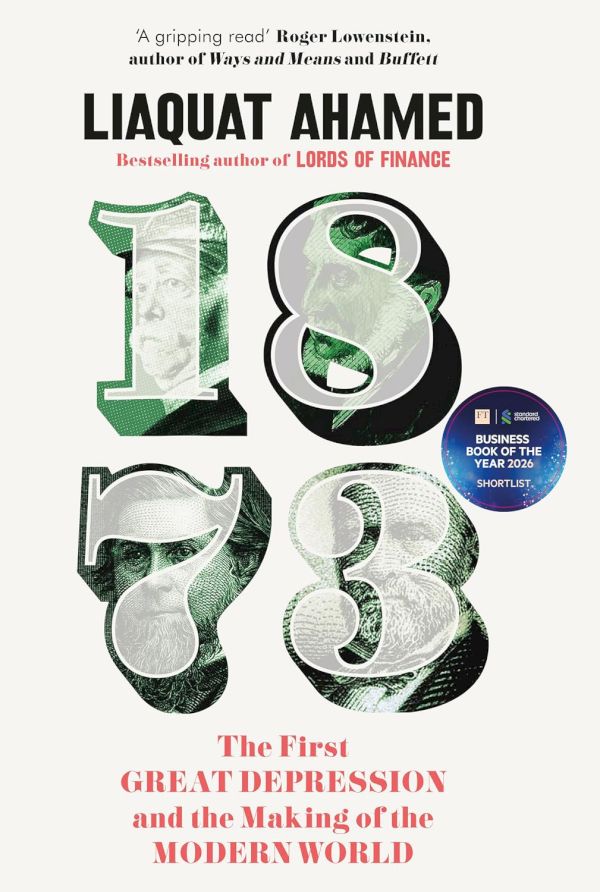
1873: The First Great Depression and the Making of the Modern World
This book is the second to be written by Liaquat Ahamed. He made his publishing debut back in 2009 with “Lords of Finance: The Bankers Who Broke the World”...

Broken China: How the Economic Miracle Shattered and What it Means for the World
China’s rise over the last several decades has been accompanied by an explosion in books seeking to explain its economy and way of doing business to...
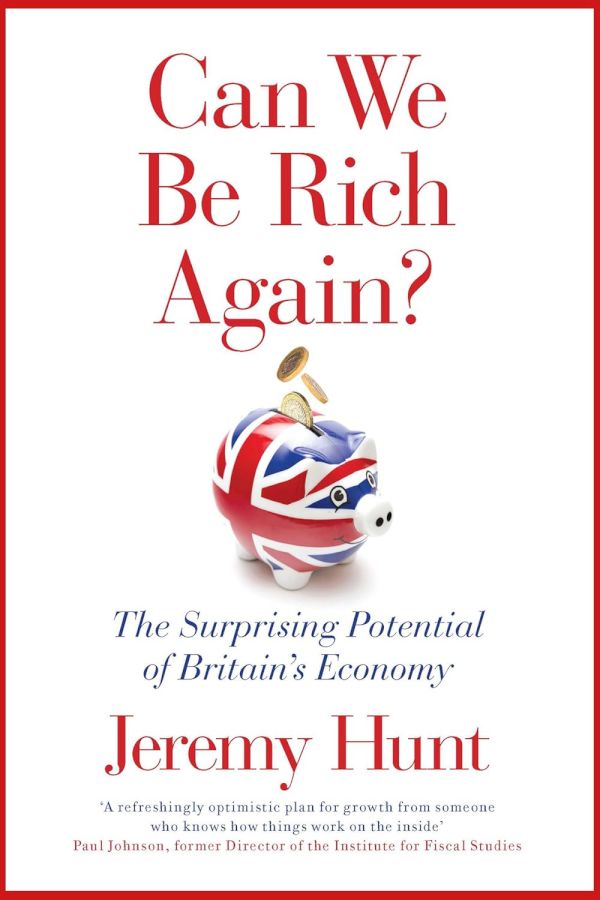
Can we be rich again? The surprising potential of Britain’s economy
Jeremy Hunt has been culture secretary, heath minister, foreign secretary and most recently Chancellor in Rishi Sunak’s government. His stint at HM Treasury...