
While a member of the MPC at the Bank of England, considerable time was devoted to thinking about two important concepts; the size of the output gap and the natural rate of interest. In theory these are incredibly useful, but in practice both are elusive and contested. I remain fascinated by them nevertheless, and the analysis in this book, seeking to establish where the real natural rate is headed, is an excellent attempt to shed light on the latter.
The authors define the natural rate as that which balances savings and investment while keeping inflation stable. Rather than the policy rate, the model is estimated around ten-year US Treasuries, and the discussion is about the real rate. For brevity, the review will refer to this construct as r*.
After outlining the history of the development of the r* concept, and disputes surrounding it, the core of the book is a description of the sophisticated model developed by the writers. The model is described as a top-down look at how the natural rate has evolved over time, combined with a bottom-up model to establish the contribution of different drivers.
Importantly, the approach recognises the existence of a global r*. While there will be reasons for individual countries to vary from this, the interplay of influence to and from the US is given proper weight. Estimating the model for the 12 economies integrated into global capital markets is a welcome contrast to other commentary on r*, which often focuses on domestic trends in one economy
The drivers for r* are identified as: trend growth; the dependency ratio; income inequality; the relative price of investment goods; net safe asset supply; debt issuance; inflation risk and convenience yield. The outcome of modelling these variables is shown to be similar to the results found by other models; but the authors are right to comment that these models can only tell us about broad trends in r* and are unable to pin it down with precision.
What follows is a highly ambitious attempt to estimate where the natural rate might be heading over the period to 2050. The various authors (there is a long list of contributors) seek to establish two things in each chapter: firstly, a thorough discussion of how the variable under discussion impacts on r*, and, secondly, a range of plausible projections for the variable itself.
The discussions focus on the US but also cover other countries – for example the discussion of government debt estimates the possible global spillovers from the anticipated rise in the global supply of safe assets. The scenarios around the impact of climate change lead to a good discussion but unsurprisingly no clear conclusion. Spoiler alert – working through the topics does not yield a positive view of the future – the authors are not optimistic about government debt, productivity (though with an upside case), or inequality.
The overall conclusion is that r* will rise to around 2.8% for the US in 2030 and then tend to drift down modestly over the next 20 years, with the risks on the upside due to rising debt, climate change related investment, geopolitical risks and AI. Whether higher r* is good or bad news depends, of course, on why it is higher – if because of stronger trend growth this is good news. The structure of the book enables readers to draw their own conclusions if they take a different view of the likely course of the key variables.
The one weakness of the book is that not using colour makes many of the charts hard to disentangle. But this is a good read, very clearly written, with extensive and useful lists of references on each topic. The concluding chapter has provocations on the impact of higher interest rates on asset prices (what of the UK housing market?) and a slightly throwaway suggestion that governments might need to intervene more to prevent price shocks in important goods. It’s all bad news for policymakers though – as governments are expected to face more intractable debt problems and central banks to be challenged by sequences of supply shocks.
More Book Reviews
All Reviews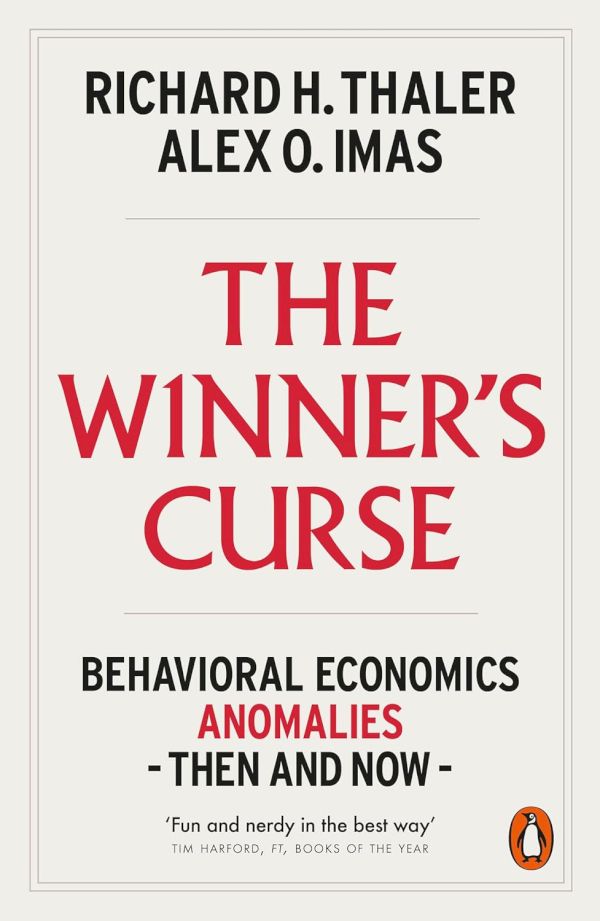
The Winner’s Curse
It would be cheeky of me to say there is no need to review a book partially authored by a Nobel economic prize winner that is in its third edition. That...
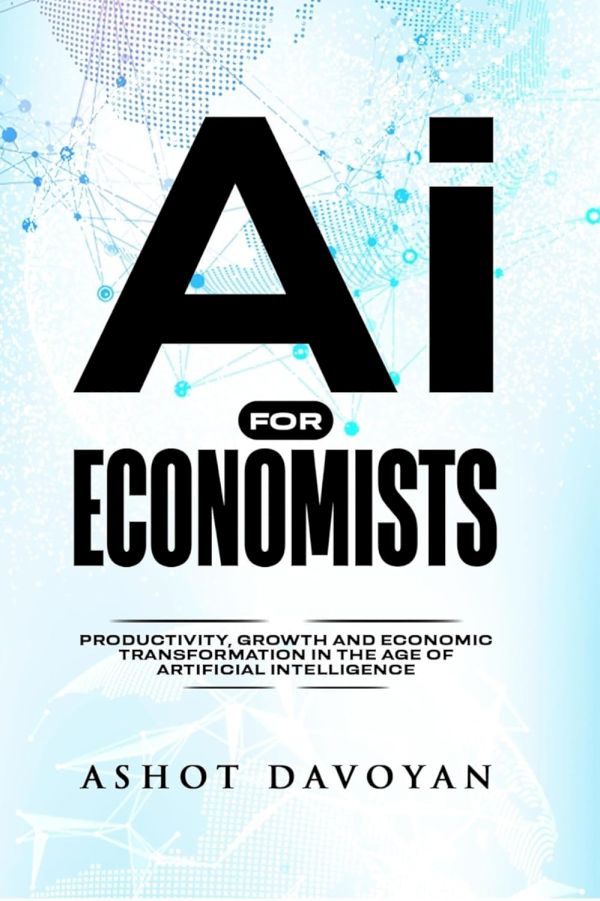
AI for Economists
I started reading this book just as the UK Government announced the setting up of an AI Economics Research centre chaired by Nobel Prize laureate Simon...
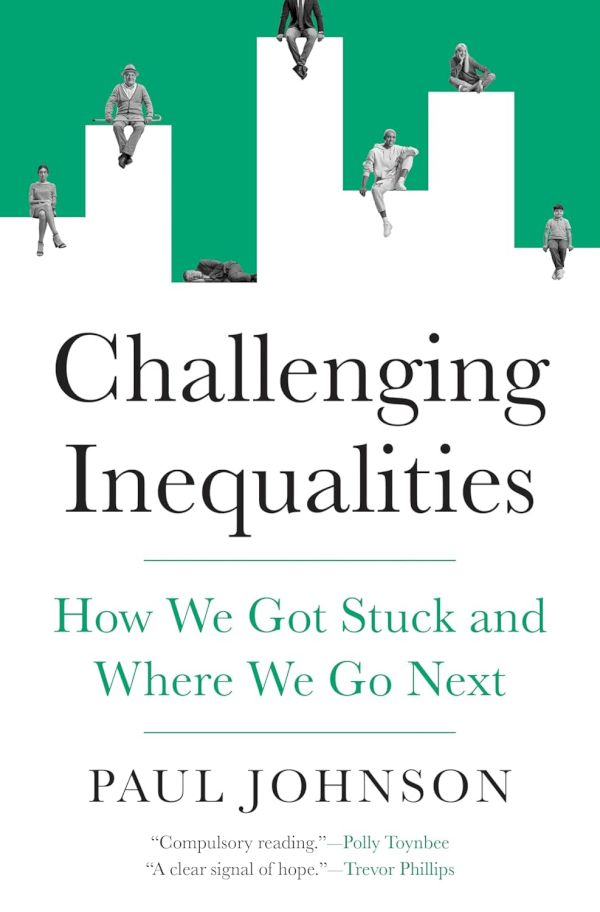
Challenging Inequalities
This is an important book. It is the culmination of a five-year research project at the Institute for Fiscal Studies, which provides a detailed analysis of...